What Is Creosote — and Why Is It Dangerous?
Every wood fire leaves creosote behind in your flue. Here's what it is, the three stages it goes through, and how to keep it from becoming a chimney fire.
Creosote starts as smoke
When wood burns, it releases gases and particles. As those gases rise and cool inside the flue, they condense on the liner walls as creosote — a dark, tarry substance that builds up a little with every single fire. There's no way to burn wood with zero creosote; there is only managing how fast it accumulates and removing it on schedule.
The three stages
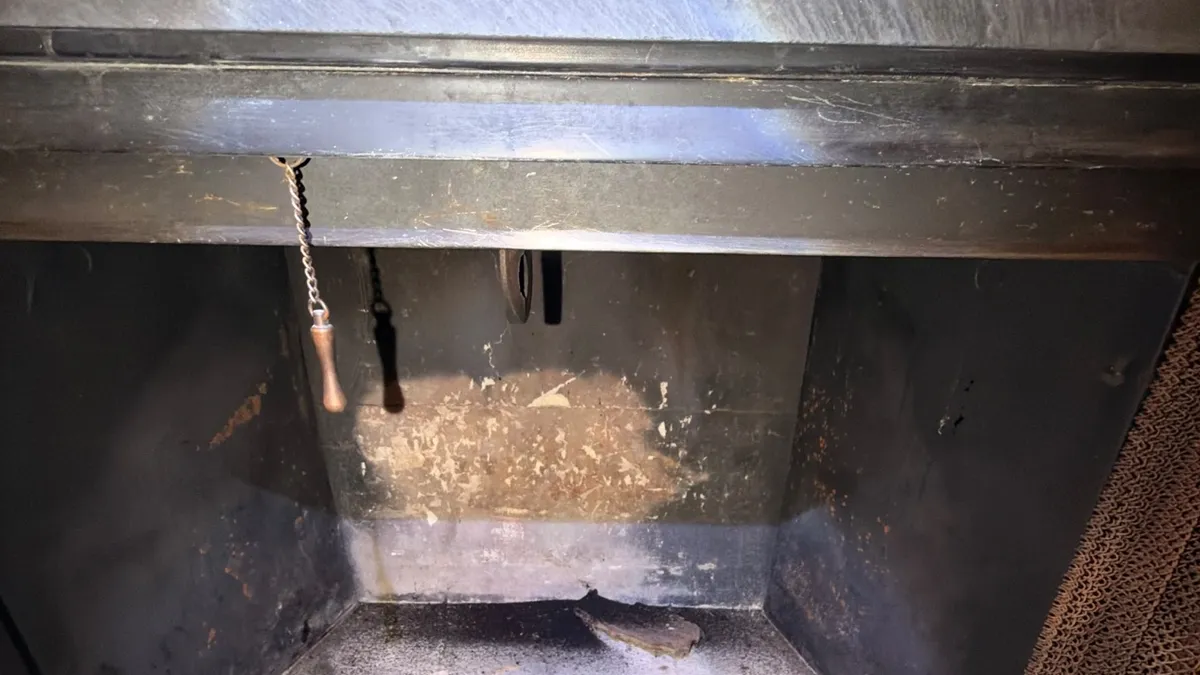
Stage 1 creosote is flaky and soot-like — it brushes away easily and is what a routine sweep handles. Stage 2 turns tarry and crunchy, forming hard flakes that need more aggressive removal. Stage 3 is glazed creosote: a shiny, hardened coating that looks like tar poured down the flue. It's the most concentrated fuel of the three, the hardest to remove, and it forms fastest when burning wet or unseasoned wood in a cool flue.
Why it's a fire risk
Creosote is combustible — that's the whole problem. A chimney fire ignites when flue temperatures climb high enough to set the accumulated creosote burning. Chimney fires can crack liners, damage masonry and, in the worst cases, spread to the home itself. Even a small, contained chimney fire you never noticed can crack a liner and leave the chimney unsafe for the next fire. That's why 'we had a chimney fire but it seems fine' always deserves an inspection.
Keeping buildup slow
Burn dry, seasoned hardwood; keep fires hot rather than smoldering; and never burn trash, cardboard or treated wood. Then pair good habits with the thing that actually controls the risk: an annual inspection, and a professional sweep whenever buildup calls for it. If you're not sure how much creosote is in your flue right now, an inspection will tell you.
How a sweep removes each stage
Stage 1 creosote — the flaky, sooty kind — comes off with the standard rotary and brush work of a normal sweep. Stage 2, the tarry, crunchy layer, needs stiffer brushes and more passes, and it is one reason a neglected chimney takes longer to clean than a maintained one. Stage 3 glazed creosote is the honest exception: it bonds to the liner like a coating of tar and often cannot be brushed away completely. Depending on how much of the flue it covers, it may need a chemical treatment that breaks the glaze down over several fires, mechanical removal with specialized equipment, or — when the liner underneath has been damaged by the heat that usually accompanies heavy glazing — relining. A sweep who finds glaze will show you the camera pictures and explain which of those paths your flue actually needs, rather than brushing what brushes off and calling it clean.
The smoke you cannot see: creosote and carbon monoxide
Fire is not the only reason creosote matters. Heavy buildup narrows the flue, and a narrowed or partially blocked flue drafts poorly — smoke spilling into the room is the visible symptom, but the invisible one is carbon monoxide moving with it. The same deposits, mixed with summer humidity, also produce the strong campfire smell that drifts from an idle fireplace in July, and the acids in creosote slowly attack mortar joints inside the flue all year long. That is why the control rhythm is an annual inspection with a sweep whenever buildup calls for it — our fall checkup pairs the two in one visit — and why a chimney that sat unused for years deserves a look inside before its first fire back, not after.
Related Services & Service Areas
Frequently Asked Questions
What is creosote, exactly?
What are the three stages of creosote?
Why is creosote a fire risk?
How do I keep creosote buildup slow?
Need Help With This?
Our related service: Chimney Sweep & Cleaning — Complete chimney sweeping that removes soot, creosote and debris — careful preparation, a full brushing of the flue, and a spotless cleanup, so your fireplace is safe to use all winter.