7 Signs Your Chimney Needs Repair Before Winter
Ohio winters turn small chimney damage into big chimney damage. Catch these seven warning signs in the fall and you'll save money — and keep your home safe.
1–2: Crumbling mortar and damaged brick
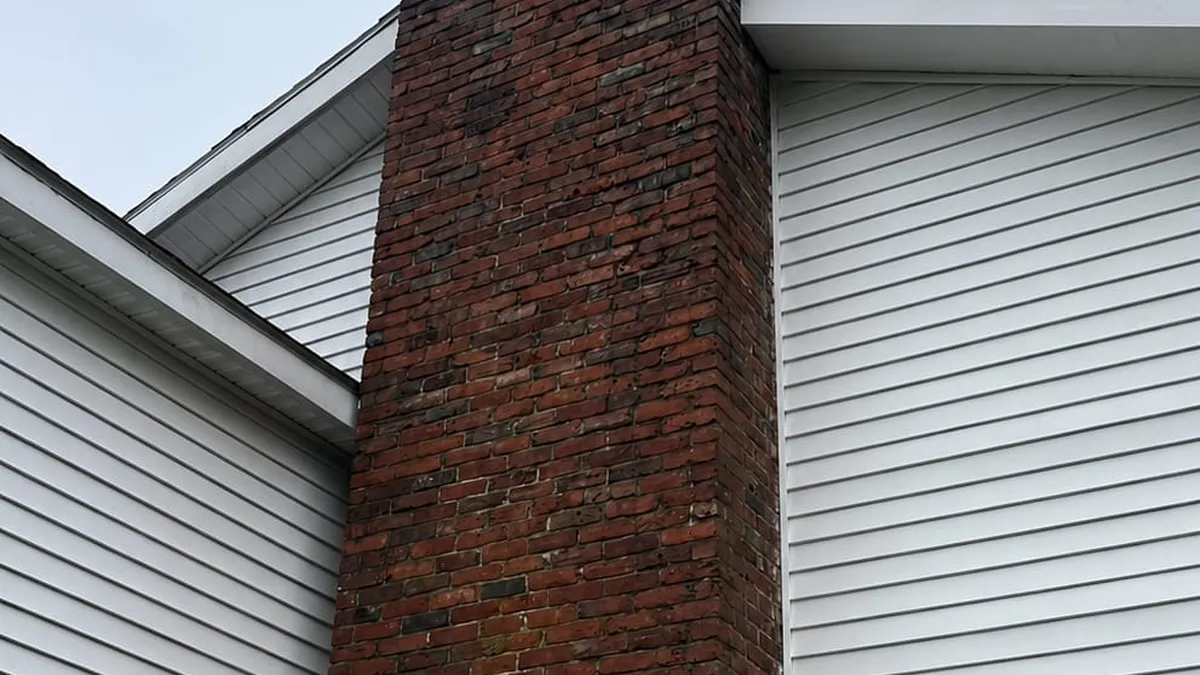
Mortar joints that are cracked, recessed or falling out as sand are an open door for water. So is spalling — brick faces that flake, crack or pop off after freezing. Every freeze-thaw cycle works water deeper into the joint and pries it further apart. Repointing worn joints in the fall is a modest repair; rebuilding a water-damaged chimney in the spring is not.
3–4: A cracked crown and failing flashing
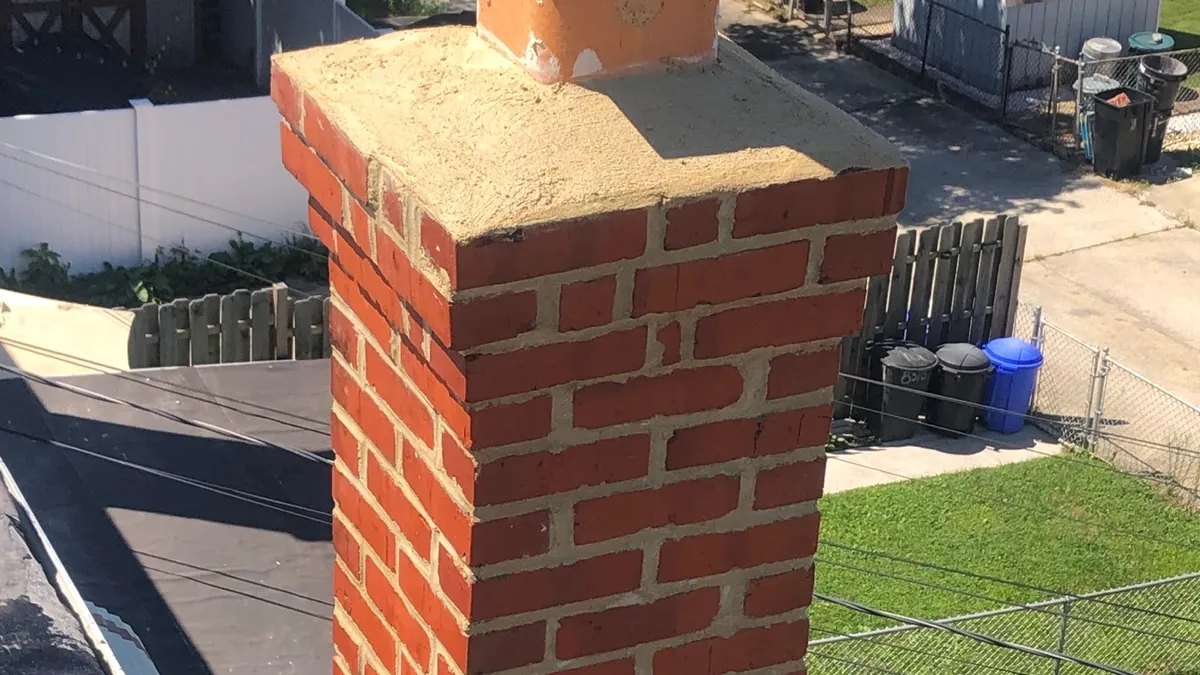
The crown is the concrete cap that sheds water off the top of a masonry chimney. Cracks in it funnel water straight into the structure. Down at the roofline, rusted or separated flashing is the most common source of chimney leaks — the stain on the ceiling near your fireplace usually starts there. Both are very fixable when caught early.
5–6: White stains and interior water damage
White, powdery staining on the exterior brick — efflorescence — means water is moving through the masonry and leaving salts behind. Inside, look for peeling paint or wallpaper near the fireplace, musty odors, and rust on the damper or firebox. These are all chimney water problems announcing themselves politely before they get expensive.
7: A damper or cap that's given up
A damper that won't open, close or seal wastes heat all winter and invites animals and debris. A missing or damaged cap does the same from the top — and an uncapped flue is an open invitation to birds, squirrels and raccoons. Dampers and caps are among the most affordable chimney repairs there are, and both pay for themselves in one heating season.
The fall rule of thumb
If you can see it from the ground — crumbling joints, leaning, staining, missing pieces — it's already worth a professional look. Book the inspection before the first real cold snap, when schedules are open and masonry repairs can still cure properly before deep winter.
What to check inside the house
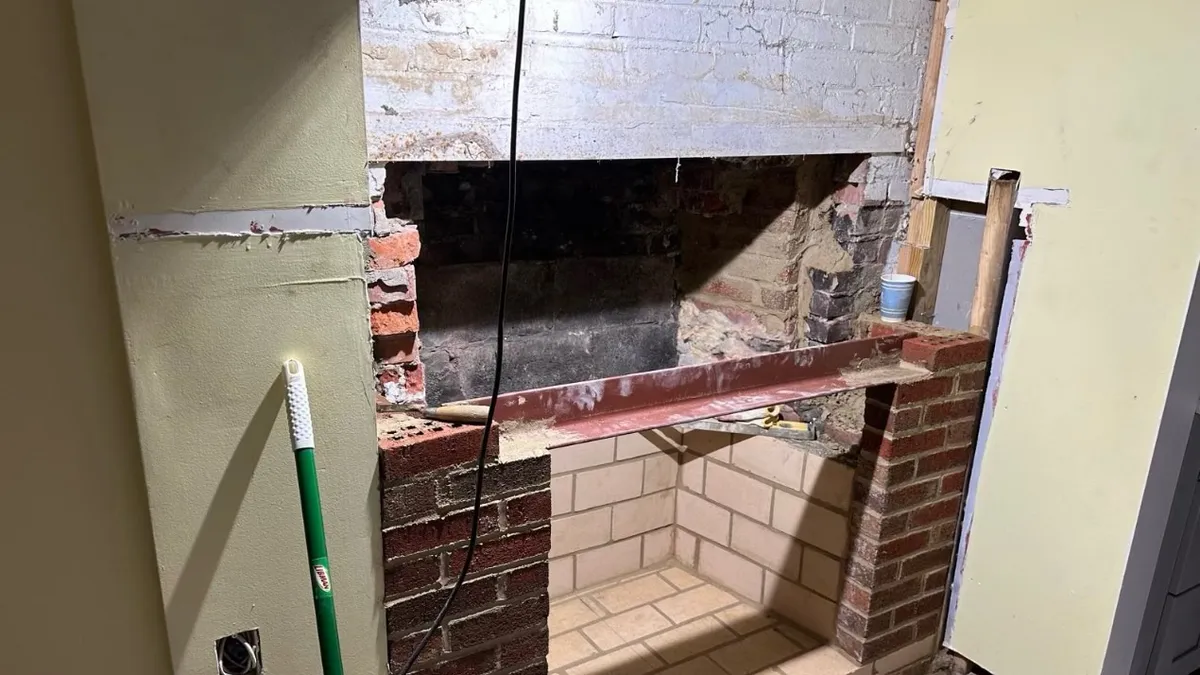
The exterior gets most of the attention, but the inside tells its own story. Run a hand around the firebox: firebrick panels that are cracked through, or mortar crumbling out of the joints between them, let heat reach parts of the structure that were never meant to take it. Check that the damper opens fully and closes flat — a warped damper is a heated-air leak running all winter. Look for smoke stains on the wall or mantel above the firebox opening, which point to draft problems or a flue that no longer pulls the way it should, and for a persistent campfire smell on humid days, which usually means creosote and moisture sitting in the flue. None of these is a five-alarm emergency on its own, but each one is a reason to have the chimney looked at before it is asked to work every night.
Why 'wait until spring' usually costs more
Almost every chimney repair is cheaper and easier in the fall than the spring — not because prices change, but because the damage does. A cracked crown sealed in October is a small job; the same crown after a winter of freeze-thaw has funneled water into the structure for five months, and the repair grows to include the masonry the water reached. A failing flue tile ignored through the heating season means a winter of fires heating a cracked liner. And some work simply cannot be done well in deep cold: mortar and crown coatings need curing temperatures Ohio stops offering around November. The fall inspection exists to sort findings into 'fix now, while it is small' and 'watch it' — our fall checkup pairs a chimney sweep with a Level 1 inspection in one visit, and any repair we recommend is quoted in writing before work begins.
Related Services & Service Areas
Frequently Asked Questions
What chimney damage can I spot from the ground?
What should I check inside the house?
Why not just wait until spring to fix it?
When should I book a fall chimney inspection?
Need Help With This?
Our related service: Chimney Repair — Expert chimney repairs and restoration — rebuilding, relining, pointing, crown and flashing repair, waterproofing and leak repair — for homes and businesses across Ohio.