Holiday Fireplace Safety in Ohio: Before the Guests Arrive
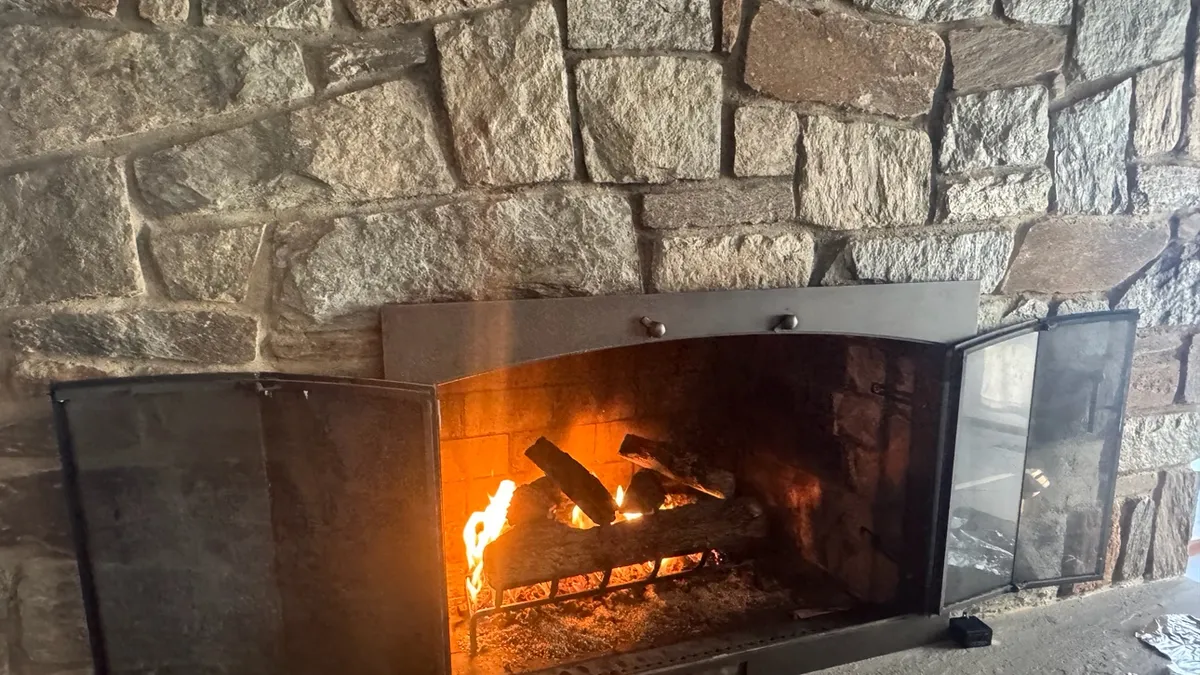
Thanksgiving through New Year's is the hardest-working stretch of the year for an Ohio fireplace — more fires, more guests, more decorations near the hearth. A short safety pass before the season starts.
The short answer: the holidays ask more of your fireplace than any other weeks
From Thanksgiving to New Year's, an Ohio fireplace stops being an occasional pleasure and becomes the center of the house — fires lit earlier, burned longer, and tended by whoever is standing closest, while guests, kids and pets move through a room that is fuller than usual. Nothing about that is a problem by itself. The risk comes from the extras the season brings with it: wrapping paper saved for the fire, stockings and garland hung close to a hot firebox, a drying Christmas tree in the corner, and a flue that has not been swept since last winter suddenly asked to handle a month of near-daily burning. In Columbus, Dublin and across Ohio, late November is the right moment for a short, honest safety pass — before the first big gathering, not after something has already gone wrong.
Keep the decorations — and the tree — out of the fire's reach
The hearth rules do not change for the holidays, but the room does. Stockings, garland, cards and wrapped gifts all need to stay well clear of the firebox opening and off any surface that gets hot while a fire burns; a mantel that feels only warm during a short evening fire can get genuinely hot during a six-hour holiday burn. Move stockings before you light up if they hang anywhere near the opening, and never drape garland where a settling log or a popped ember could reach it. The Christmas tree deserves its own respect: a fresh tree that is watered daily is a decoration, while a dry tree is fuel, and a dry tree should never share a room with a working fireplace if it can be helped — keep it as far from the hearth as the room allows, check the water every day, and take it out promptly after the holidays instead of letting it dry in place through January. Use a sturdy screen or closed glass doors on every fire while the house is full, especially with visiting children and dogs who do not know the hearth the way your household does.
What goes in the fire — and what never does
Holiday fires tempt people to burn the season's leftovers, and that is where chimneys pay for it. Never burn wrapping paper, gift boxes, cardboard or a Christmas tree in the fireplace. Wrapping paper and boxes burn fast and hot, can float up the flue as burning fragments, and their coatings and inks foul the liner. Tree branches flare violently, throw sparks, and coat the flue with resinous creosote in a single evening. Burn only dry, seasoned firewood — the oak, maple and ash Ohio burners rely on — in bright, hot fires rather than low smoldering ones, and warm a cold flue first on bitter nights so the first smoke goes up instead of into a room full of guests. Ashes need the same discipline they need all winter: into a metal container with a lid, stored outside away from the house, the garage and the woodpile, because ash can hide live embers for days — and a holiday week produces a lot of ash, emptied more often and sometimes by a helpful guest who does not know that rule.
The flue behind the festivities — why a sweep comes before the season, not after
A fireplace that burned lightly in October can hide a flue that is not ready for December. Creosote built up through the fall burns is still in there, and a month of long, hot holiday fires is exactly the load that can ignite a heavy deposit. If your chimney has not been swept and inspected this season, the holidays are an argument for doing it now, not in January: our fall checkup pairs a chimney sweep plus a Level 1 inspection in one visit, with the exact price for any further work confirmed in writing after we see your chimney. The visit also catches the quiet problems a busy season would expose — a damper that does not seal, a cap clogged with frost and creosote, smoke that spills when the furnace and a range hood compete for air in a house full of cooking. In older Ohio homes in Clintonville, German Village and the Short North, and in post-war homes across Dublin, Westerville and Gahanna, that one check is what turns a month of fires from a hope into a plan.
The honest safety note — and a calm house rule for guests
Here is the safety note, plainly: the two detectors matter more during the holidays than at any other time of year. Keep working smoke and carbon monoxide detectors on the fireplace level and near sleeping areas, and test them before the first gathering — a house full of overnight guests is sleeping in rooms they do not know, above a fireplace that may burn late. Set one simple house rule and say it out loud: one person tends the fire, nobody adds anything to it but firewood, and the fire is fully out — not banked and smoldering — before the house goes to sleep. Never leave a fire burning unattended while everyone heads out for a holiday visit. None of this takes the pleasure out of a holiday fire; it is what lets you light one every night of the season without thinking twice. Fireplace due for its sweep, smoking into the room, or simply not checked since last winter? Call Eagle Chimney Ohio at (614) 412-3139 or request a free estimate through our contact form, and we will sweep the flue, check the system, and tell you honestly what it needs — so the fires between Thanksgiving and New Year's are the warm part of the holidays, and nothing more.
Related Services & Service Areas
Need Help With This?
Our related service: Fireplace Services — Expert fireplace cleaning, inspection, repair and installation — including wood and gas stoves, pellet stoves, inserts and glass doors — for homes and businesses.