Gas Fireplace Care in Ohio: What to Check Before the Cold Gets Serious
A gas fireplace feels maintenance-free — until the pilot will not stay lit on the coldest night of the year. Here is the annual care that keeps it reliable.
The short answer: a gas fireplace needs annual care, too
A gas fireplace feels maintenance-free because there is no ash to haul and no wood to stack — but it is still a fuel-burning appliance with a burner, a pilot assembly, ignition parts and a vent, and all of them drift out of shape a little every year. Dust and pet hair settle on the burner through the summer. Tiny webs and debris find their way into burner ports and the pilot opening. The glass gasket ages, the logs shift, and a thermocouple that worked fine last March can be weak by November. In Ohio that matters more than most places: from Columbus to Dublin and across Ohio, a gas fireplace often runs daily from November through April, sometimes as real heat and not just atmosphere. The practical rule is simple — have a gas fireplace serviced once a year, ideally in the fall before deep cold arrives, so the first truly cold week is not the week you discover the pilot will not stay lit.
Signs your gas fireplace is asking for service
Most gas fireplace problems announce themselves early, while they are still small. Watch for a pilot that lights but will not stay lit, or a burner that is slow to ignite and then comes on with a soft whoomp instead of lighting smoothly and right away. Note new soot on the logs or glass, a white, hazy film building up on the inside of the glass, flames that look noticeably different from last season, or a fireplace that starts by remote or wall switch only sometimes. Clicking with no ignition, a blower that has grown loud, and a faint exhaust smell in the room when the fireplace runs are all reasons to book service rather than keep cycling the switch and hoping. None of these automatically means an expensive repair — a dirty pilot assembly, a weak thermopile or a clogged burner port are common, modest fixes. But they do not fix themselves, and a fireplace that is igniting late or sooting is telling you its combustion is no longer clean.
Ohio winter adds two problems of its own
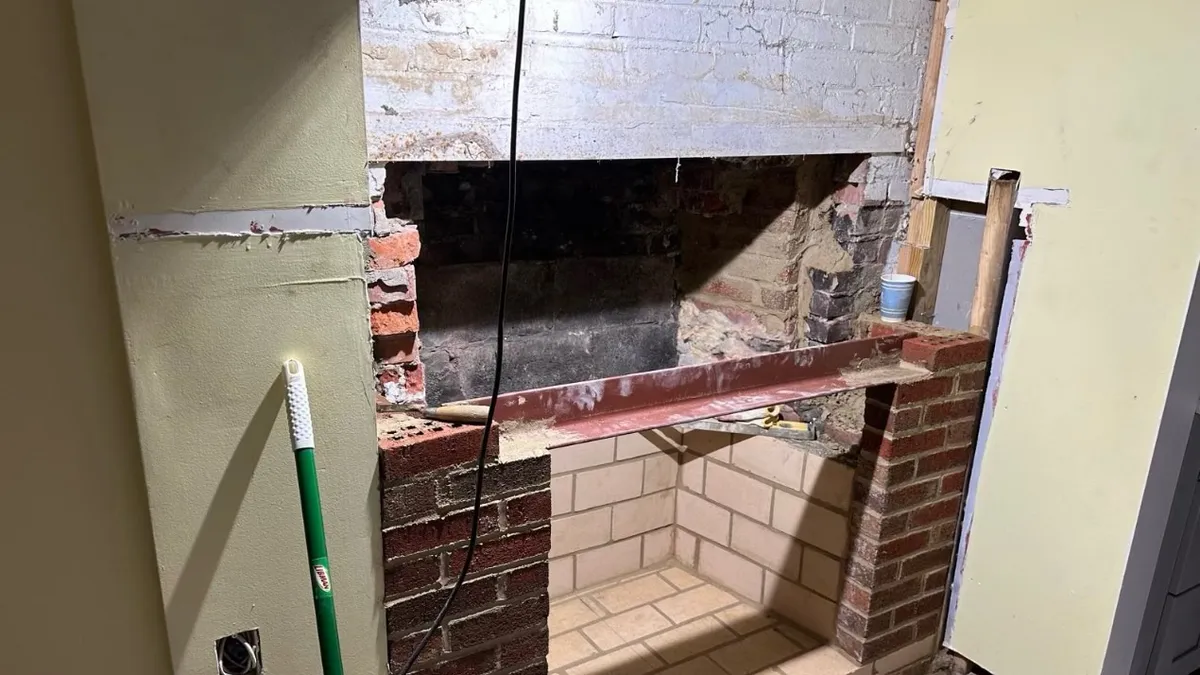
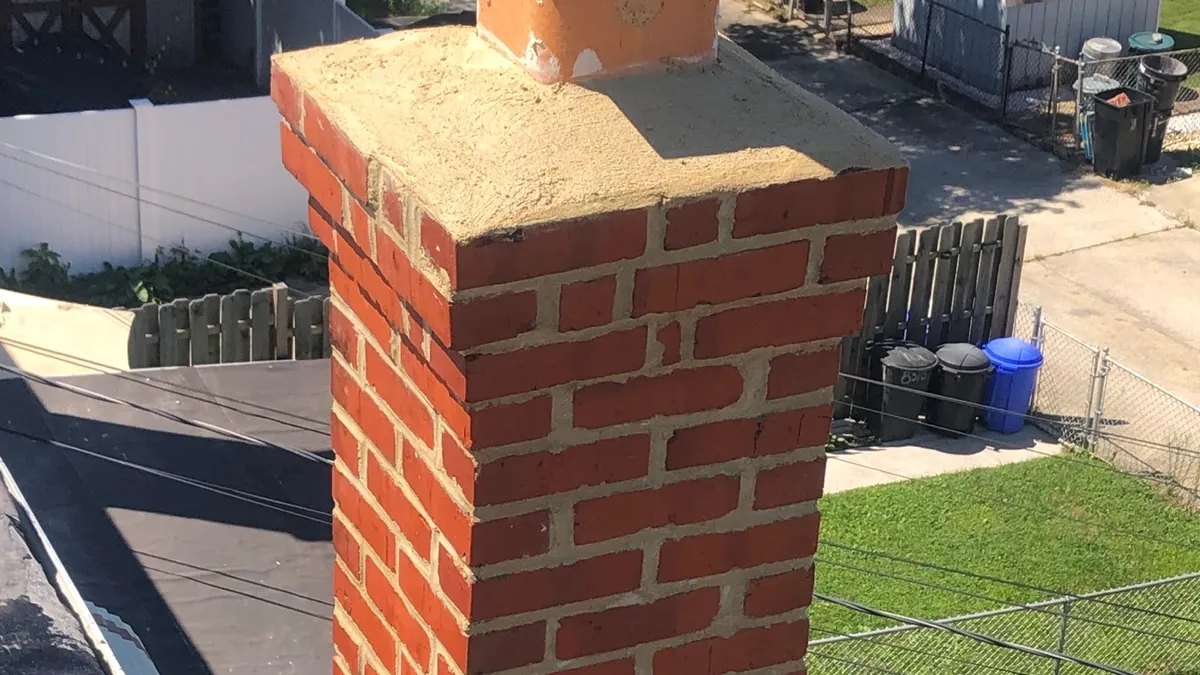
The first is snow. Many newer Ohio homes — in suburbs like Reynoldsburg, Gahanna and Maple Grove — use direct-vent gas fireplaces that exhaust through a termination on an outside wall, low enough for a good drift or a plowed snowbank to bury it. A blocked vent termination can shut the fireplace down or, worse, interfere with how it vents, so keep that outside vent clear of snow and ice all winter, the same way you keep a furnace exhaust clear. The second problem belongs to older housing stock. In Columbus and Dublin neighborhoods full of early-1900s homes, gas inserts and gas log sets often vent up a masonry chimney — which means the chimney and its liner are part of the gas appliance's safety system, not a separate concern. A cracked liner, a blocked flue or a missing cap affects a gas insert just as it affects a wood fire. That is why gas fireplace service and chimney inspection belong in the same conversation for older homes.
What a professional service visit actually covers
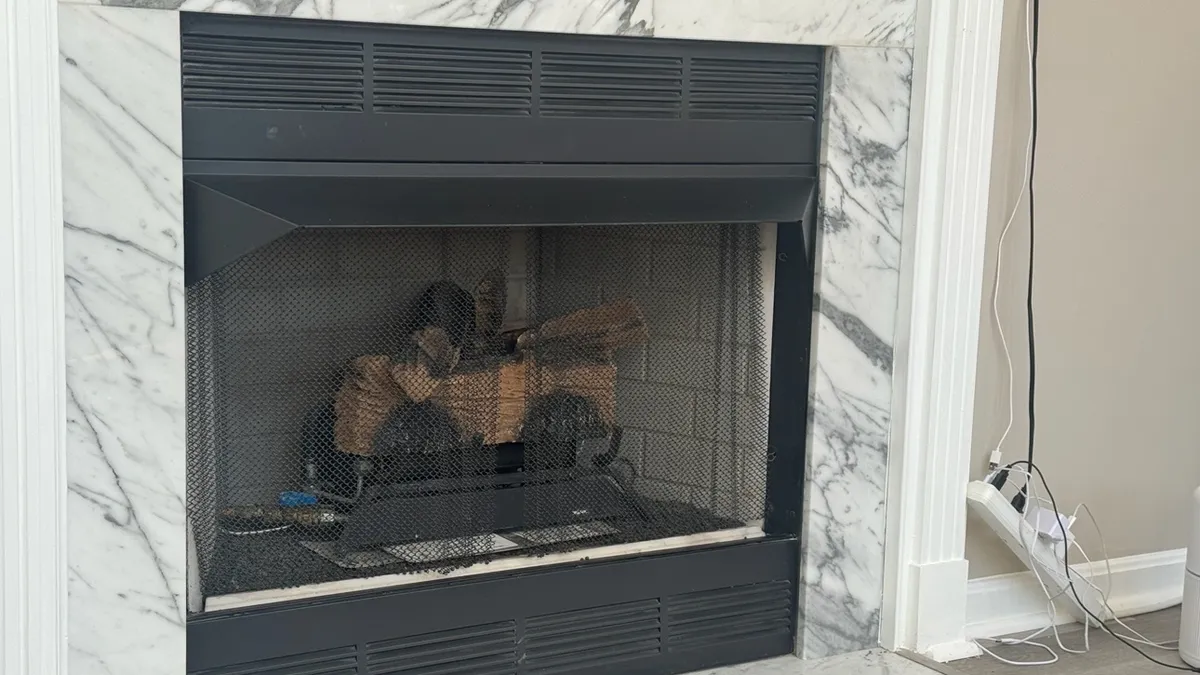
A proper gas fireplace service is methodical, not mysterious. With the unit off and cool, the glass is removed and cleaned, and the firebox is vacuumed out. The burner and burner ports are cleaned, the pilot assembly is cleaned and checked, and the logs are put back in exactly the positions the manufacturer intended — log placement is not decoration, it affects how the flame burns. The thermocouple or thermopile, the igniter, the glass gasket and the blower are checked, the vent termination or chimney cap is looked at from outside, and the fireplace is test-fired through a full ignition cycle to confirm it lights promptly and burns cleanly. The exact price is confirmed in writing after we see your unit — and if the venting runs through a masonry chimney, a chimney inspection can be handled in the same visit. You should finish the appointment knowing what was cleaned, what was tested, and what, if anything, is wearing out.
The honest safety note — and when to stop and call
Here is the safety note, plainly: if you smell gas — that rotten-egg odor — do not keep trying to light the fireplace, do not flip light switches or look for the leak with a flame. Get everyone out of the house and call your gas utility or 911 from outside. That rule outranks every other piece of advice in this article. Short of a gas smell, stop using the fireplace until it has been checked if the glass is cracked, the glass has been removed, soot is building up quickly, or a carbon monoxide detector sounds — and keep working carbon monoxide detectors on the same level as the fireplace and near sleeping areas regardless, because a venting problem does not announce itself with a smell you can trust. Ready to get yours checked before the cold gets serious? Call Eagle Chimney Ohio at (614) 412-3139 or request a free estimate through our contact form, and we will service the fireplace and check its venting in one visit.
Related Services & Service Areas
Need Help With This?
Our related service: Gas Fireplace Service & Repair — Specialized service for gas fireplaces and gas log sets — burner and pilot cleaning, ignition and thermocouple troubleshooting, and full safety checks for gas leaks and carbon monoxide.