Your Furnace Uses a Chimney Too: Ohio Heating-Flue Safety
In many Ohio homes the furnace and water heater vent through a chimney flue that runs all winter, day and night. What blocks or breaks that flue — and why it deserves the same inspection as the fireplace.
The short answer: the hardest-working flue in your house may not be the fireplace
Ask most homeowners about their chimney and they picture the fireplace. But in a large share of Ohio homes — especially the pre-war houses of Columbus and Dublin and the post-war homes of Dublin, Westerville and Mason — the furnace or boiler and the water heater vent their exhaust through a second flue in the same masonry chimney, or share the chimney through a metal vent connector in the basement. That heating flue works harder than any fireplace ever will: it runs every day, all winter, often around the clock in January, carrying exhaust gases out of the house while your family sleeps. It makes no creosote, so it is easy to forget — but it can block, crack and fail in ways that matter more, not less, because the appliances using it run whether anyone is watching or not. Late November, with the heating season settling in for five months, is exactly when that flue deserves a thought.
How a heating flue fails: blockages above, breakdown inside
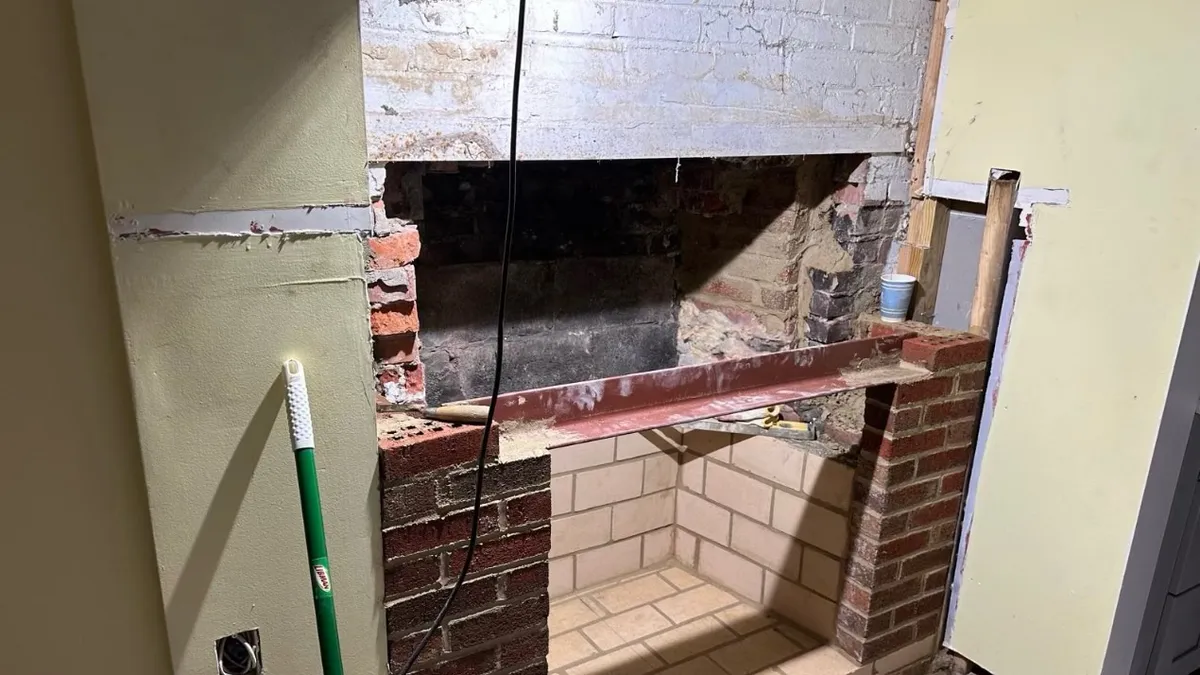
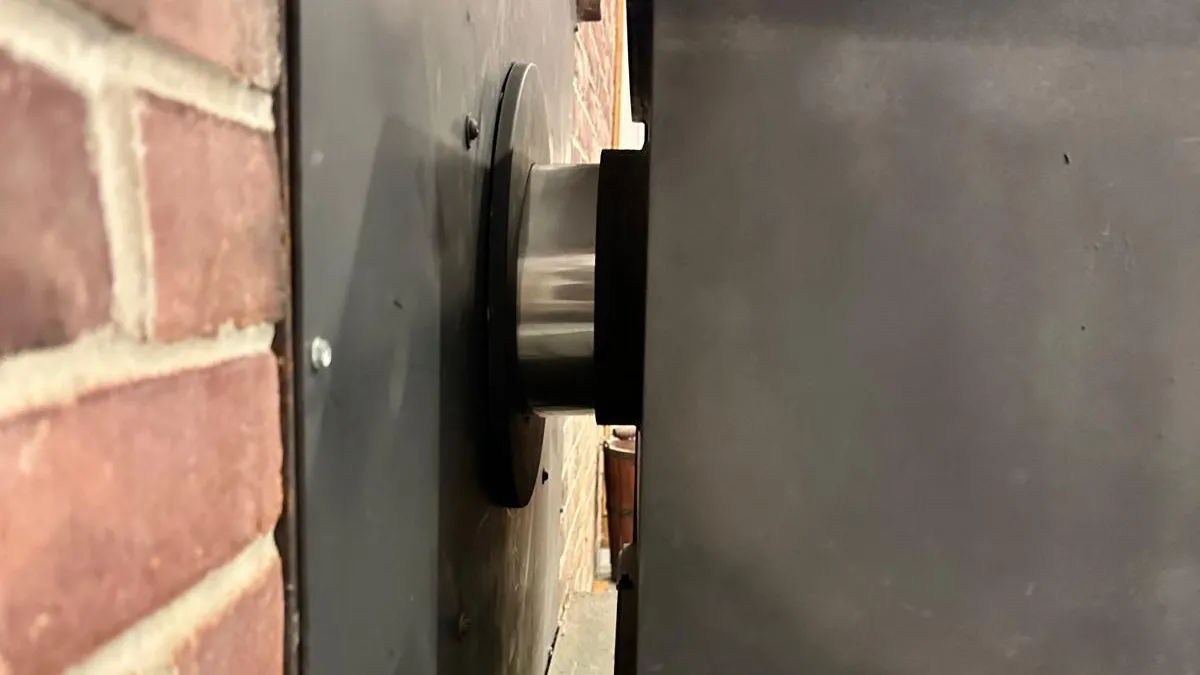
The failure list is different from a fireplace flue, and quieter. From above, an uncapped heating flue is an open invitation: birds nest in it in spring, raccoons and squirrels drop debris into it, and leaves and twigs collect until the passage narrows or closes. In deep winter, snow and ice can cap a short flue, and in older chimneys a section of fallen brick or a collapsed liner tile can block the flue from inside with no sign at all in the living spaces. Inside the flue itself, the enemy is moisture. Furnace and water-heater exhaust carries water vapor, and when that vapor condenses on cold liner walls — common in exterior chimneys on bitter Ohio nights — it mixes with exhaust residue into a mildly acidic moisture that attacks the mortar joints between clay tiles, season after season. The joints soften, open, and eventually let exhaust find paths it was never meant to take. Metal vent connectors in the basement fail too: they rust, sag, separate at joints, and can be knocked loose by storage or a careless bump, all out of sight behind the furnace.
The warning signs are in the basement, not the living room
A struggling heating flue announces itself where the appliances live. Look for rust streaks and white corrosion on the metal vent pipe above the furnace or water heater, and for joints that have separated or been patched with tape. Water staining or dampness on the chimney's basement walls, crumbling mortar at the cleanout door, and debris — chunks of tile, mortar or brick — sitting in the cleanout are all the flue reporting its own condition. Soot or scorch marks around a water heater's draft hood, a pilot that keeps going out, and rust flakes collecting on top of the appliances point the same way. So do the softer signs upstairs: headaches or stuffiness that ease when the family leaves the house, and condensation problems that appear only in heating season. None of these proves a blocked or broken flue on its own, and none should be diagnosed from a search result — but any one of them is a legitimate reason to have the flue looked at before deep winter, not after.
What an inspection of a heating flue actually covers
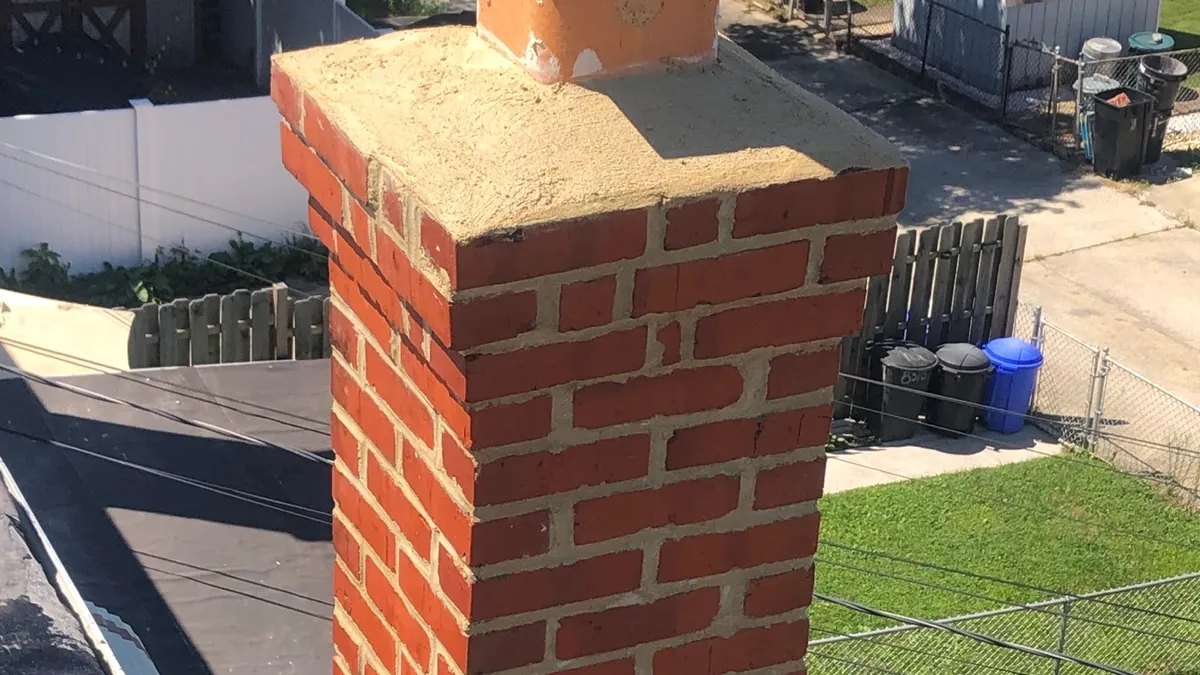
A proper look at a heating flue covers the whole path the exhaust travels. It starts at the appliances: the vent connectors checked for rust, slope, separation and clearance, and the draft at the water heater and furnace confirmed to be pulling the right way. It continues inside the flue — where a camera scan shows what no flashlight from the cleanout can: cracked or missing liner tiles, open mortar joints, fallen debris and nest material, and sections where an old flue was never lined at all, which is common in early-1900s Ohio homes. It ends at the top, with the cap, crown and flashing checked, because the cap that keeps animals and weather out of the heating flue protects the appliances your house depends on in January. Where the scan finds a liner that has failed, relining is the lasting repair — The exact price is confirmed in writing after we see your chimney. For the annual check itself, our fall checkup pairs a chimney sweep with a Level 1 inspection in one visit, and the heating flues serving your furnace and water heater are part of what that visit can report on.
The honest safety note — and the one rule that matters most
Here is the safety note, plainly: a fireplace with a bad flue smokes into the room and tells you something is wrong. A furnace or water heater with a blocked or breached flue can spill carbon monoxide — colorless, odorless exhaust — into the basement and the rooms above it while running exactly as it was designed to run, all night. That is why the detectors are not optional decoration: keep working carbon monoxide detectors on the furnace level and near sleeping areas, test them this week, and treat any alarm as an emergency — get everyone out and call 911, then have the flue inspected before the appliances go back into service. And never ignore the combination of a CO alarm, a recently replaced furnace or water heater, and a chimney nobody has looked inside in years: newer, more efficient appliances vent cooler exhaust that condenses more readily in an old, oversized or unlined flue, so an appliance upgrade is itself a reason to have the flue checked and sized. Furnace flue never inspected, debris in the cleanout, or rust on the vent pipe in a Columbus, Dublin or suburban home? Call Eagle Chimney Ohio at (614) 412-3139 or request a free estimate through our contact form, and we will check the whole path — connector, flue and top — show you what we found, and quote any work in writing.
Related Services & Service Areas
Need Help With This?
Our related service: Chimney Inspection — Detailed chimney inspections — including video scans — that identify creosote buildup, damaged liners, leaks and safety issues before they become expensive or dangerous.