Chimney Inspection Levels Explained: Level 1 vs. Level 2
Buying a home, selling one, or just staying safe? Here's what Level 1 and Level 2 chimney inspections actually cover, and how to know which one you need.
What a Level 1 inspection covers
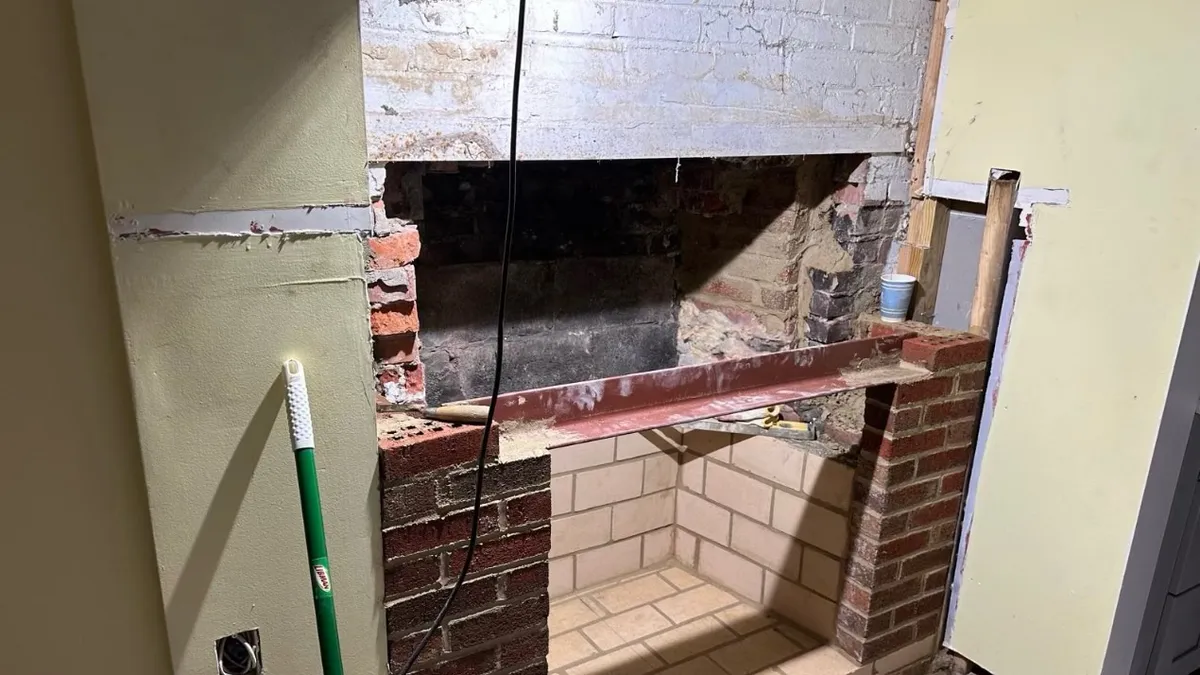
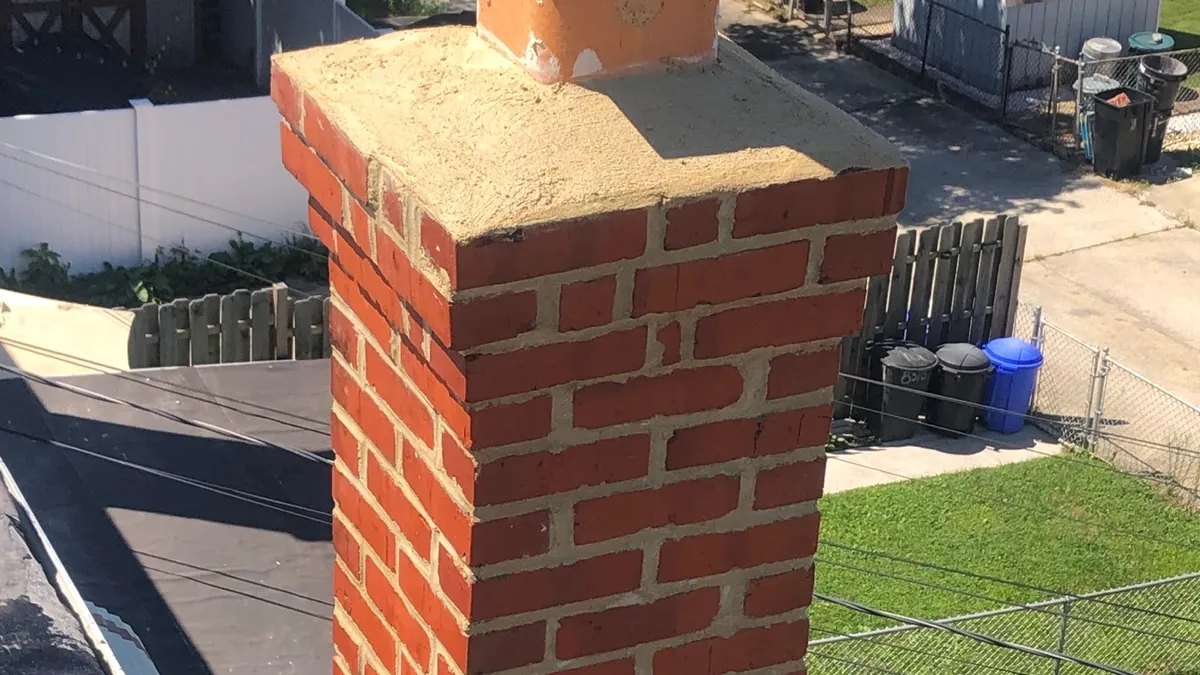
A Level 1 inspection is the standard annual check. We examine all the readily accessible parts of your chimney — the firebox, damper, smoke shelf area, the flue opening, and the exterior masonry, crown and cap — and verify the chimney is structurally sound and free of obstructions and combustible deposits. If your chimney hasn't changed since last year and you use it the same way, Level 1 is usually the right inspection.
What makes Level 2 different
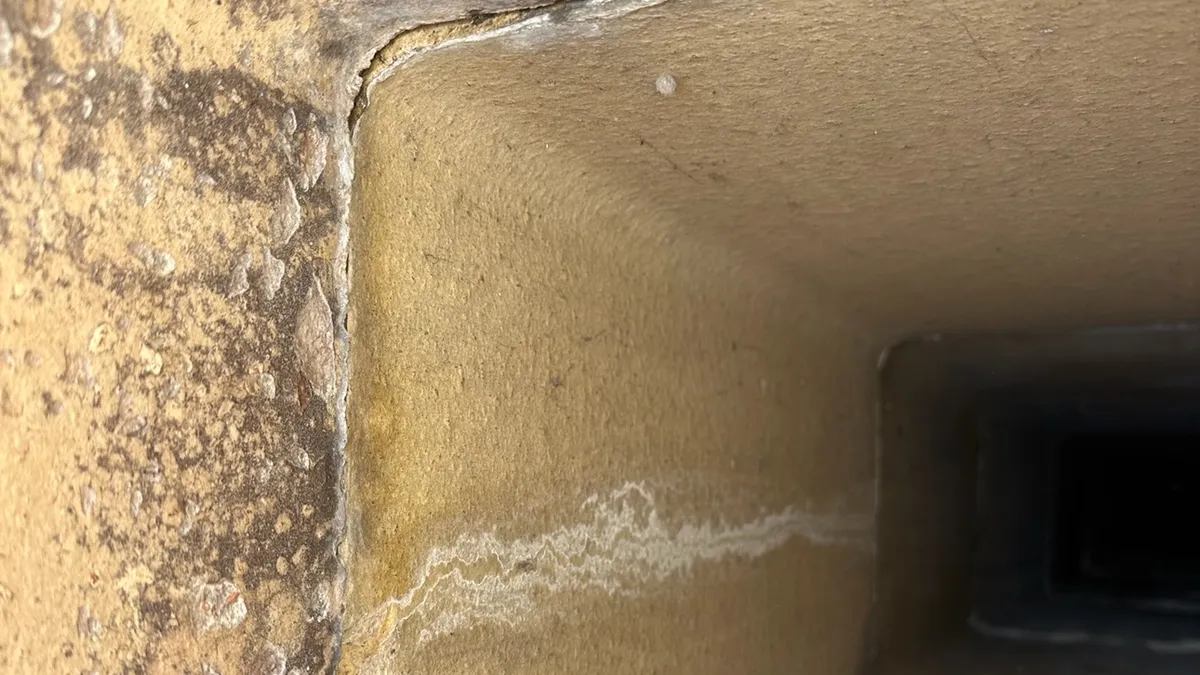
A Level 2 inspection includes everything in Level 1 plus a video scan of the flue's interior. A camera travels the full length of the liner, revealing cracks, gaps, joint damage and blockages that simply cannot be seen from below with a flashlight. That interior view is what makes Level 2 the inspection of record for real-estate transactions, insurance questions and post-incident documentation.
When Level 2 is the right call
Schedule a Level 2 inspection when you're buying or selling a home, after any chimney fire, after a major storm or lightning strike, before relining the flue or changing heating appliances, or whenever a Level 1 inspection finds something that needs a closer look. It's also wise if the chimney sat unused for years — animals, debris and hidden deterioration are common.
What you get afterwards
Either way, you should walk away knowing your chimney's real condition: what we found, what it means, what needs attention now, and what can wait. At Eagle Chimney Ohio we explain findings in plain language and start every repair conversation with a free estimate, so the inspection leads to a clear decision — not a surprise bill.
What the camera actually shows us
The video scan is not a formality. As the camera travels the flue, it records the liner joint by joint: hairline cracks in clay tiles, gaps where mortar has fallen out between sections, offsets where a tile has shifted, heavy or glazed creosote the brush could not fully clear, and blockages from nests or fallen debris. We watch it live with you and save the images, so the report is not our opinion — it is pictures of your flue's interior that you can keep, hand to a buyer, or send to an insurer. That documentation is exactly why a Level 2 is the inspection real-estate transactions and insurance claims ask for: it replaces 'the chimney looked fine from below' with evidence.
What each level costs — and what neither includes
The fall checkup pairs a sweep with a Level 1 inspection in one visit. A Level 2 inspection adds the full video scan, with the exact price confirmed in writing after we see your chimney. Neither inspection is a repair: if the scan finds a cracked liner, failed flashing or a cap that has given up, we quote that work separately, in writing, before anything is done — relining is quoted after the scan. And neither level is needed every year by default: Level 1 is the annual rhythm for a chimney in regular use, and Level 2 is layered on when one of the triggers applies — a home sale, a chimney fire, a fuel change, or a Level 1 finding that needs a closer look.
Related Services & Service Areas
Frequently Asked Questions
What's the difference between a Level 1 and a Level 2 inspection?
When do I need a Level 2 inspection?
What does each inspection cost?
Do I need a Level 2 every year?
Need Help With This?
Our related service: Chimney Inspection — Detailed chimney inspections — including video scans — that identify creosote buildup, damaged liners, leaks and safety issues before they become expensive or dangerous.