Chimney Fire in Ohio: The Loud Ones, the Quiet Ones, and What to Do Next
Some chimney fires roar like a freight train. Others burn quietly inside the flue and are only found later, on camera. Either way, the rule is the same: no next fire until the flue has been scanned.
The short answer: a chimney fire is creosote igniting inside the flue
A chimney fire is not a fire in your firebox that got a little big. It is the creosote coating the inside of your flue catching fire and burning inside the chimney itself, at temperatures far hotter than the liner was built to handle. Every wood fire leaves creosote behind, and when enough of it builds up — especially the shiny, glazed kind left by smoldering fires and wet wood — one hot fire, one stray spark or one overloaded firebox can set it alight. In Ohio the risk peaks exactly when fireplaces work hardest: November through February, when Ohio homes in Columbus, Dublin and the suburbs burn for hours a day. The important thing to understand is that a chimney fire is not always obvious while it happens, and the damage it leaves behind is almost never visible from the firebox. That combination is why the rule after any suspected chimney fire is absolute: do not light another fire until the flue has been inspected with a camera.
The loud ones — and the quiet ones most people miss
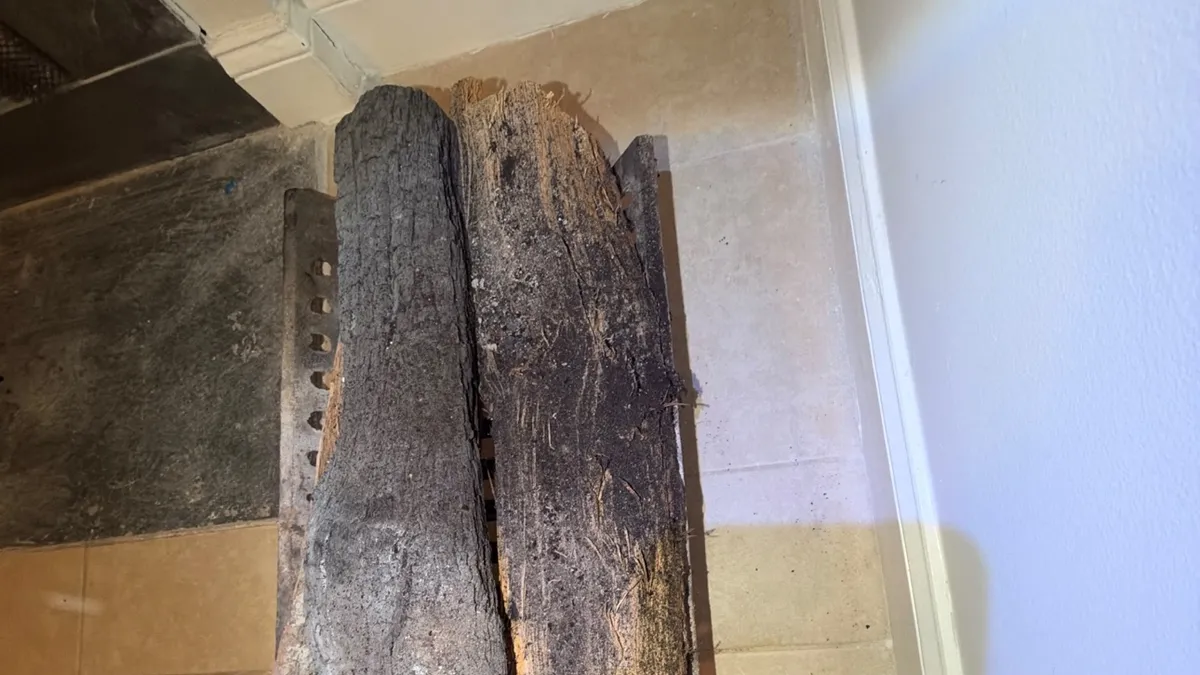
The classic chimney fire announces itself. Homeowners describe a deep roaring sound like a freight train or a jet overhead, loud popping and cracking from inside the chimney, dense smoke pouring from the top, and sometimes flames and sparks shooting out of the flue. If that is happening in your home, treat it as the emergency it is. But a large share of chimney fires are quiet. A smaller creosote deposit, or one burning in a section of flue away from the firebox, can burn itself out while the family notices nothing more than an unusually hot wall near the chimney, a strange smell, or a fire that seemed to draw oddly for one evening. Those quiet fires are discovered later — by a sweep who finds the telltale signs on a camera scan, or by a homeowner who notices puffed, distorted creosote flakes in the firebox. Quiet does not mean harmless: the heat inside the flue during even a brief chimney fire is enough to crack clay liner tiles, and the crack does not heal when the fire goes out.
What the heat actually damages inside your chimney
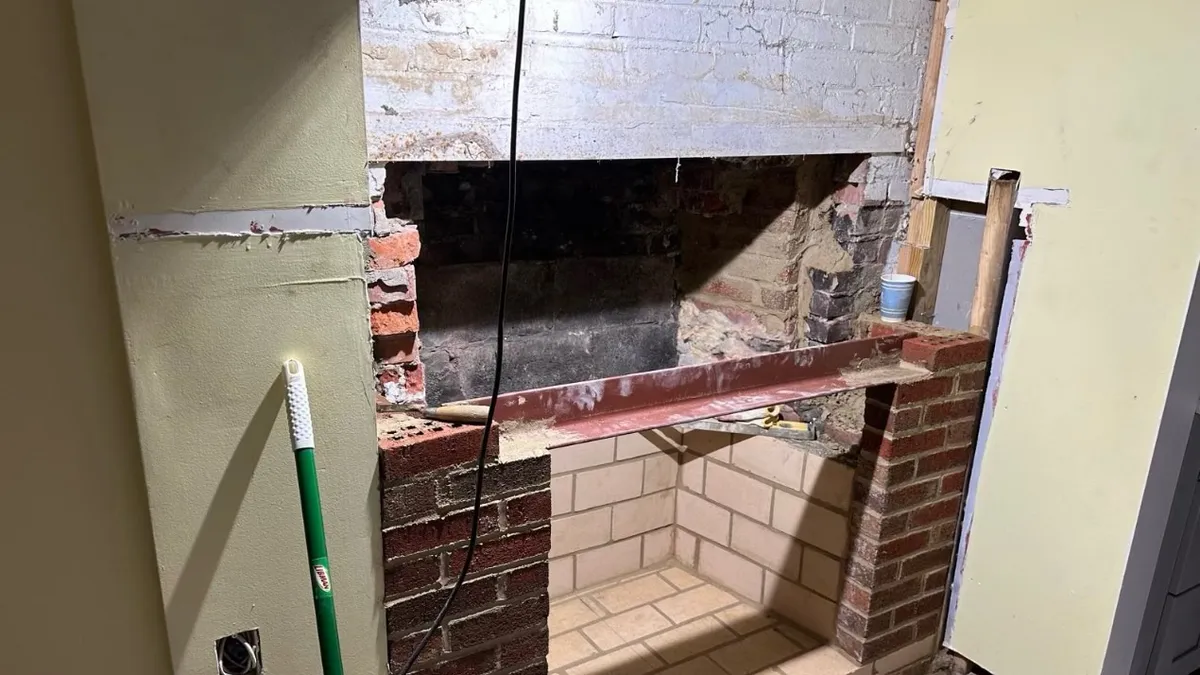
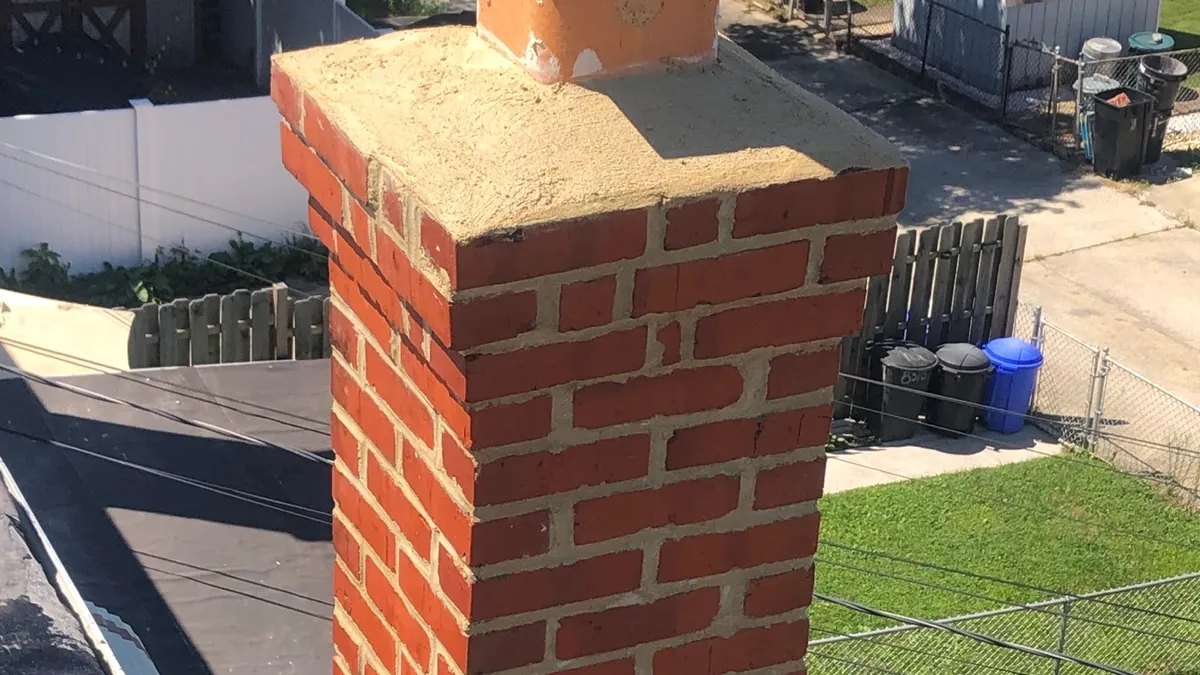
Clay tile liners are the usual casualty. They handle normal flue temperatures well, but the sudden, extreme heat of a chimney fire shocks them — tiles crack, craze and sometimes shift, and the mortar between tile sections can crumble away. Metal liners can warp or buckle. Once the liner is breached, the chimney has lost the sealed passage that keeps heat and combustion gases off the masonry and the wood framing hidden around it, and every later fire pushes heat through those gaps. Creosote itself changes, too: after a chimney fire it often puffs up into a light, crunchy, expanded form that blocks more of the flue than the original deposit did, which is why a chimney that has had one fire is primed for a second, worse one. Above the roofline, extreme heat and the fire itself can damage the crown, the cap and nearby roofing. None of this can be judged from below with a flashlight. A cracked tile ten feet up the flue looks exactly like a sound one from the firebox — which is why the inspection after a chimney fire is a Level 2 video scan, not a glance.
What to do during a fire — and in the days after
If a chimney fire is happening now: close the damper or air supply if you can do it safely and quickly, get everyone — including pets — out of the house, and call 911 from outside. Do not throw water into the fireplace, do not climb on the roof, and do not decide it has burned itself out and go back to bed; fire can spread into wall cavities around a damaged flue and smolder out of sight. Once things are calm and the fire service has cleared the home, the fireplace stays off limits until it has been scanned. Then book a Level 2 chimney inspection: The exact price is confirmed in writing after we see your chimney. The camera documents the liner's condition tile by tile, which is also the documentation an insurance claim will ask for. If the scan finds cracked tiles or a failed liner, relining is the usual repair — and if the flue is sound, a thorough sweep removes the distorted creosote and the fireplace goes back into service with a clean bill of health.
The honest safety note — and how the next one gets prevented
Here is the safety note, plainly: the most dangerous sentence after a chimney fire is 'it seemed fine, so we kept using it.' A liner cracked by heat does not announce itself during ordinary fires — it quietly lets heat and carbon monoxide reach places they should never reach, and the puffed creosote left behind makes a second fire more likely, not less. Prevention is the unglamorous list that actually works: burn dry, seasoned wood in bright, hot fires instead of letting loads smolder, keep up the annual rhythm of inspection and sweeping — our fall checkup pairs a chimney sweep with a Level 1 inspection in one visit — and never treat a roaring sound, a hot chimney wall or a shower of sparks as a story for later rather than a stop sign now. Ohio winters ask a lot of a fireplace in Columbus, Dublin, Dublin or Gahanna, and a chimney that is swept, scanned and sound can take it. Heard the roar, smelled something strange, or found odd, puffy flakes in the firebox? Call Eagle Chimney Ohio at (614) 412-3139 or request a free estimate through our contact form, and we will scan the flue, show you what the camera found, and quote any repair in writing before you light another fire.
Related Services & Service Areas
Need Help With This?
Our related service: Level 2 Chimney Inspection — The deep inspection — everything in Level 1 plus a full video scan of the flue's interior, documented for real-estate deals, insurance questions and post-incident peace of mind.