A Chimney Damper That Won't Close Is Heating the Outdoors
A throat damper that is rusted open, warped or missing its seal lets heated air pour up the flue all winter — and cold air pour down it at night. How to tell, and what fixes it for good.
The short answer: an open damper is an open window at the top of your house
A chimney damper is the metal door that seals the flue when the fireplace is not in use. Closed properly, it keeps the warm air you paid to heat inside the house and keeps winter air, weather and animals out. When it does not — rusted open, warped by heat, jammed by creosote, or worn past sealing — the fireplace becomes a permanent opening between your living room and an Ohio winter. Heated air escapes up the flue all day, and on bitter nights the flow can reverse, sending a cold draft down across the hearth. Homeowners in Columbus, Dublin and across Ohio usually notice the symptoms first: a fireplace room that is always the coldest in the house, a draft near the hearth, a faint smoky smell on damp days, and heating bills that do not match the thermostat. In late November, with five months of heating season ahead, a damper that will not close is not a small defect — it is a season-long leak.
The two kinds of damper — and how each one fails
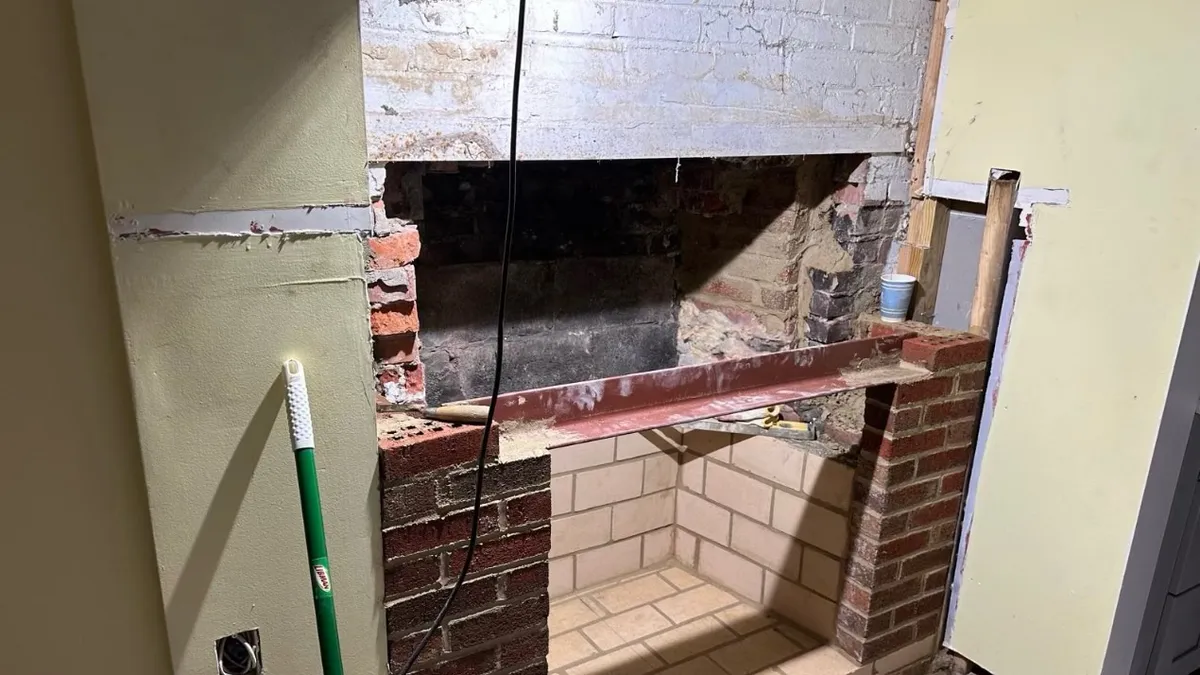
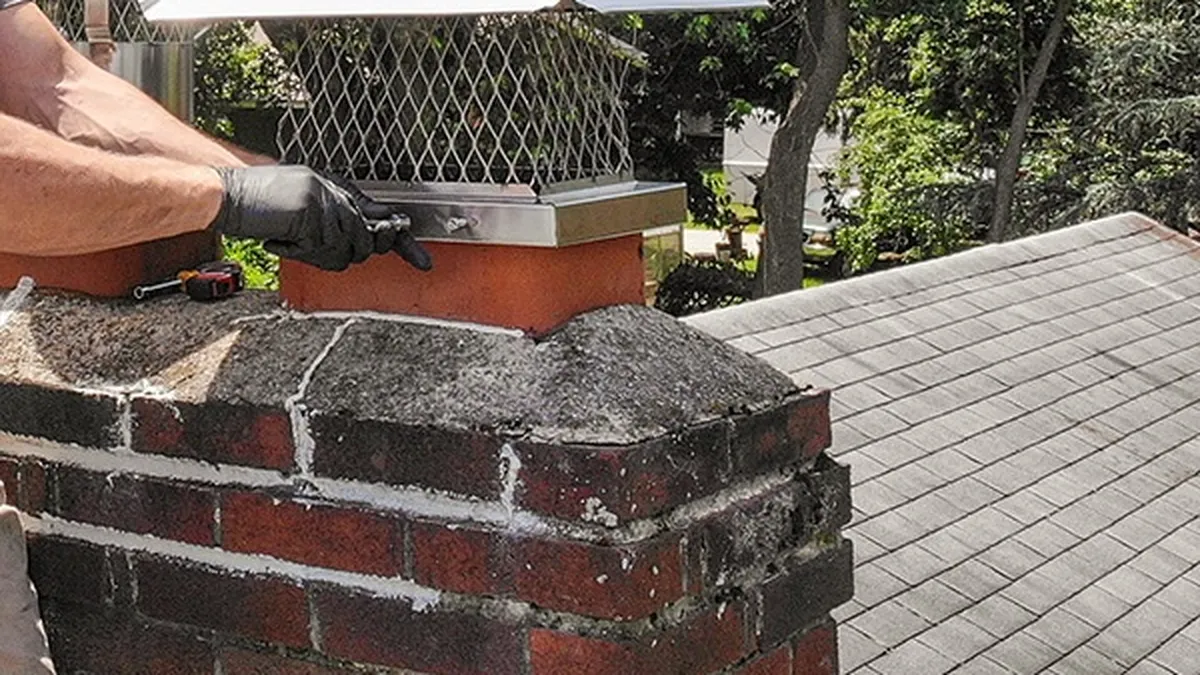
Most Ohio fireplaces have one of two designs. The traditional throat damper sits just above the firebox, a cast-iron plate worked by a handle, a rotary control or a poker hook. It lives in the hottest, dirtiest part of the system and fails in predictable ways: rust freezes the plate in place, heat warps it so the edges no longer meet the frame, and fallen creosote and debris jam it half open. Even a healthy throat damper seals imperfectly — it is metal on metal, with no gasket. The second design is the top-sealing damper, mounted at the very top of the flue and worked by a cable down to the firebox. It seals with a rubber gasket against the flue tile, and because it closes the chimney at the top, it also does the work of a cap — keeping rain, snow and animals out of the whole flue. Top-sealing dampers fail differently: a stretched or broken cable, a gasket aged hard by sun and cold, or ice fouling the lid. Knowing which kind you have decides whether repair is realistic or replacement is the honest answer.
Five signs yours is not sealing — tests you can do tonight
You do not need tools to get a first answer. First, work the control: a handle that will not move, moves but changes nothing, or stops short of closed is telling you the plate is jammed, disconnected or warped. Second, on a cold evening, hold a lit incense stick or a strip of tissue near the closed damper — smoke or paper pulled steadily upward means air is moving up a flue that should be sealed. Third, feel the firebox on a bitter night; a flue full of outdoor air makes it cold to the touch and can push a draft into the room. Fourth, look up with a strong flashlight: daylight around the edges of a closed plate, rust flakes, or debris on top of it all confirm the seal is gone. Fifth, trust the room itself — a fireplace wall that is always cold, and last winter's ash smell returning on humid days, mean the chimney is breathing when it should be shut. One warning: only check a damper on a cold fireplace, with no fire and no warm coals, and never reach up into the flue by hand — sharp, rusted metal and creosote are not a do-it-yourself surface.
Repair, or replace with a top-sealing damper?
Some throat dampers can be saved. If the plate is sound and creosote and debris are jamming it, a sweep can clear the smoke shelf, free the plate and restore the movement — one more reason the damper check belongs inside a regular inspection. If the plate is warped, rusted through or cracked, repair stops being honest: a plate that no longer matches its frame will never seal again. The lasting fix is usually a top-sealing damper at the flue top — it bypasses the failed plate, seals on a gasket instead of bare metal, keeps weather and animals out of the whole chimney, and is worked from the firebox by a cable. The exact price is confirmed in writing after we see your chimney. For a fireplace that needs its annual check first, the fall checkup pairs a chimney sweep with a Level 1 inspection in one visit, and the damper's condition is part of what that inspection reports.
The honest safety note — and the damper habit that protects the house
Here is the safety note, plainly: a damper has two failure directions, and the other one matters more. A damper stuck open wastes heat; a damper stuck closed — or one that slips shut — traps smoke and carbon monoxide in the house the moment a fire is lit. That is why the rule is absolute in both directions: before every fire, reach in on a cold firebox, confirm the damper is fully open, and look up to see daylight or feel the draft before you light anything. Never light a fire under a damper you could not open, and never try to free a seized damper with force while the fireplace is warm. A damper that will not move at all is not a nuisance to work around — it is a reason the fireplace stays unused until it has been inspected. An open damper does quieter damage too: rain and snow entering the flue rust the smoke shelf and damper, and an unsealed flue invites the raccoons and birds that move into Ohio chimneys every cold season. Fireplace room always cold, a draft at the hearth, or a damper handle that does nothing? Call Eagle Chimney Ohio at (614) 412-3139 or request a free estimate through our contact form, and we will test the seal, show you what we found, and quote the repair or a top-sealing replacement in writing — so the heat you pay for stays in the house.
Related Services & Service Areas
Need Help With This?
Our related service: Chimney Dampers — A damper that won't seal is a hole in your house all winter. We repair throat dampers and install top-sealing dampers that close tight against a gasket — and double as a cap.