Chimney Caps, Chase Covers and Dampers: Small Parts, Big Protection
They're the least glamorous parts of your chimney — and they prevent the most damage. How caps, chase covers and dampers protect your home, and when to replace them.
The chimney cap: your flue's roof
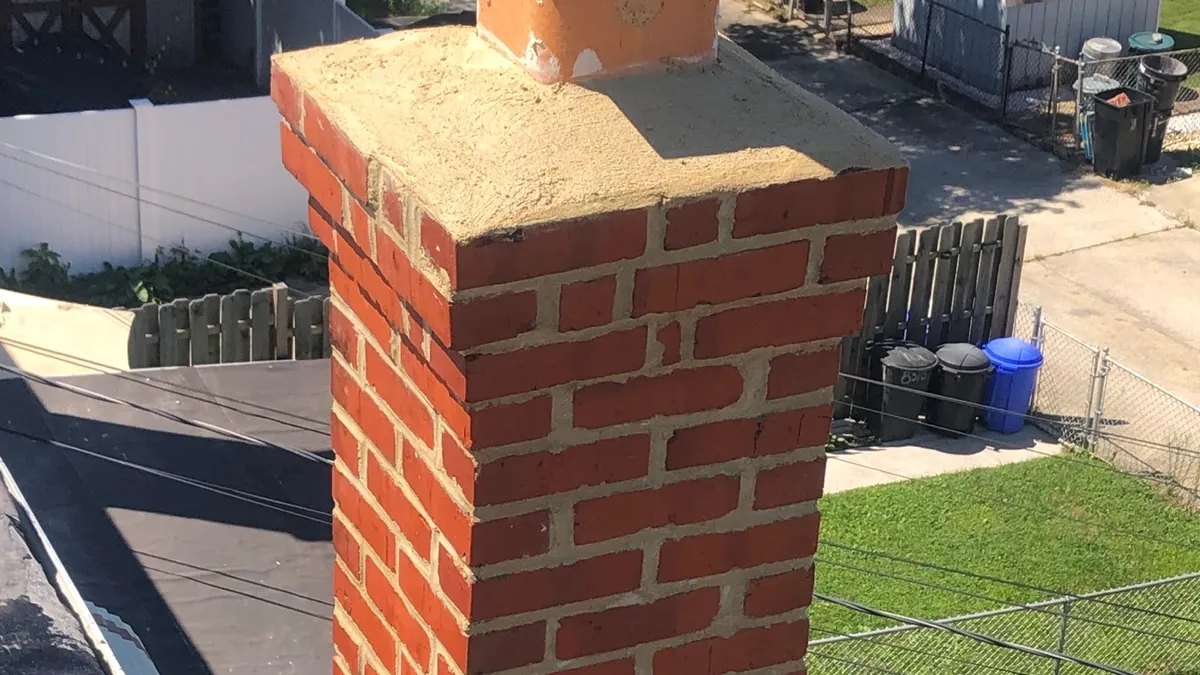
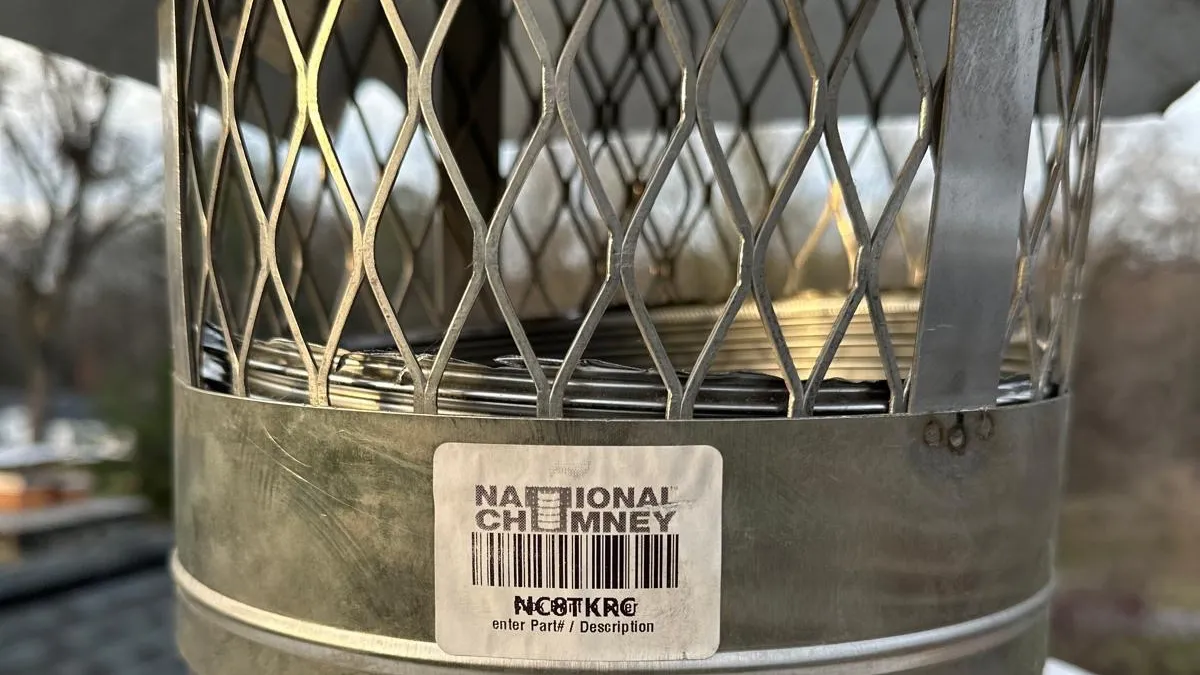
A cap covers the flue opening, keeping out rain, snow, leaves and animals while still letting smoke escape. An uncapped chimney in Ohio takes on water with every storm and invites birds and raccoons to nest in the flue each spring — a blockage you may not discover until the first smoky fire of fall. A quality stainless steel cap is inexpensive insurance and one of the first things we check on any inspection.
The chase cover: the top of a factory-built chimney
Prefab and factory-built chimneys are topped with a metal chase cover instead of a masonry crown. When that cover rusts through — and galvanized covers always eventually do — water pours directly into the chase and rots the structure from the inside. Rust stains running down your siding below the chimney are the classic early warning. Replacing a failing cover with a stainless steel one ends the problem for good.
The damper: the door you're paying to keep closed
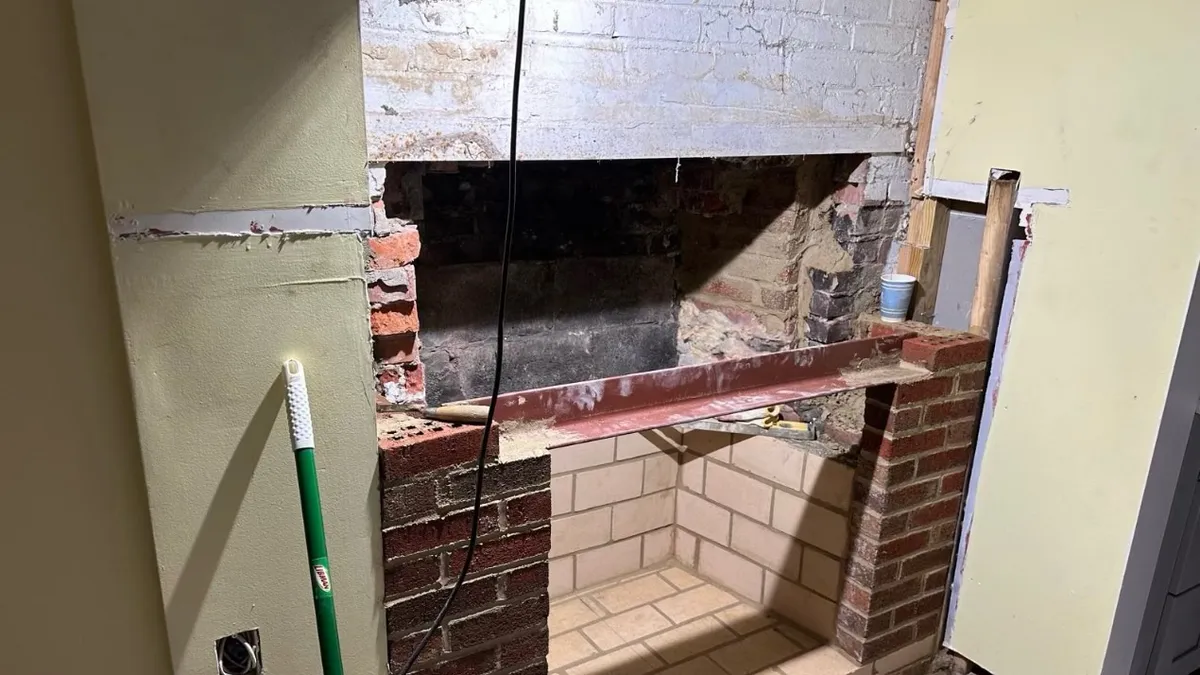
Your damper seals the flue when the fireplace isn't in use. A warped or rusted throat damper leaks heated air all winter — you can often feel the cold draft standing at the hearth. Top-sealing dampers, mounted at the flue top and operated by a cable, seal far tighter with a rubber gasket and also act as a cap. If your damper won't fully open or close, it's both a comfort issue and a safety one.
Small parts, checked on every visit
Because caps, covers and dampers are out of sight, they tend to fail quietly. That's why our inspections include the chimney cap, and why our sweeps finish with a look at the damper and smoke shelf. Catching a small-part problem early is the cheapest chimney maintenance there is — and it's how chimneys last a century.
How to spot trouble from the ground
You do not need a ladder to catch most small-part failures early. After a storm, look up: a cap that sits crooked, leans, or is simply gone is visible from the yard, and so is a chase cover with rust streaks bleeding down the siding beneath it. Inside, stand at the hearth on a windy day and feel for a cold draft at the damper — that is heated air leaving and cold air arriving through a seal that no longer seals. A damper handle that moves but changes nothing, rust flakes in the firebox after rain, or birdsong coming down the flue in spring all say the same thing: one of the small parts has stopped doing its job. Each is a quick, inexpensive fix compared with the water or animal damage it prevents.
Stainless is the Ohio answer
When a cap or chase cover does need replacing, material choice decides how long the fix lasts. Galvanized steel is the budget option builders install, and in Ohio's cycle of snow, ice and summer humidity it rusts through in years rather than decades. Stainless steel costs more once and then effectively ends the conversation — it does not rust, it holds its mesh against raccoons and squirrels, and it shrugs off the freeze-thaw seasons that split cheaper covers. The same thinking applies at the other end of the flue: a top-sealing damper with a rubber gasket seals tighter than a warped cast-iron throat damper ever will, and it doubles as a cap when closed. We quote replacements in writing before work begins, and the inspection that finds the problem is part of our fall checkup — a sweep plus a Level 1 inspection in one visit.
Related Services & Service Areas
Frequently Asked Questions
What does a chimney cap actually do?
How do I know if my chase cover is failing?
Why does my damper matter for heating bills?
Are caps and dampers expensive to replace?
Need Help With This?
Our related service: Chimney Repair — Expert chimney repairs and restoration — rebuilding, relining, pointing, crown and flashing repair, waterproofing and leak repair — for homes and businesses across Ohio.