Buying or Selling a Home in Ohio? The Chimney Inspection That Protects the Deal
A general home inspection barely looks up the flue. When an Ohio home changes hands, a Level 2 video-scan chimney inspection is what actually protects buyers, sellers and the deal itself.
The short answer: a home inspection is not a chimney inspection
When a house sells, the general home inspection covers a lot of ground in a few hours — roof, furnace, plumbing, structure — but the chimney gets only a small part of that time, and almost none of it inside the flue. A home inspector will usually look at the firebox, work the damper and note obvious damage, but no general inspector runs a camera up the liner, and the liner is where the expensive, safety-critical problems live. That is what a Level 2 chimney inspection is for: everything a Level 1 check covers, plus a full video scan of the flue's interior, documented with images you can hand to the other side of the transaction. In the Ohio, where a large share of homes in Columbus and Dublin were built before 1940 and plenty of closings land in late fall, that scan is the difference between moving in and lighting your first fire with confidence — or moving in and hoping the previous owner's habits left the flue in good shape.
What the camera finds in older Ohio chimneys
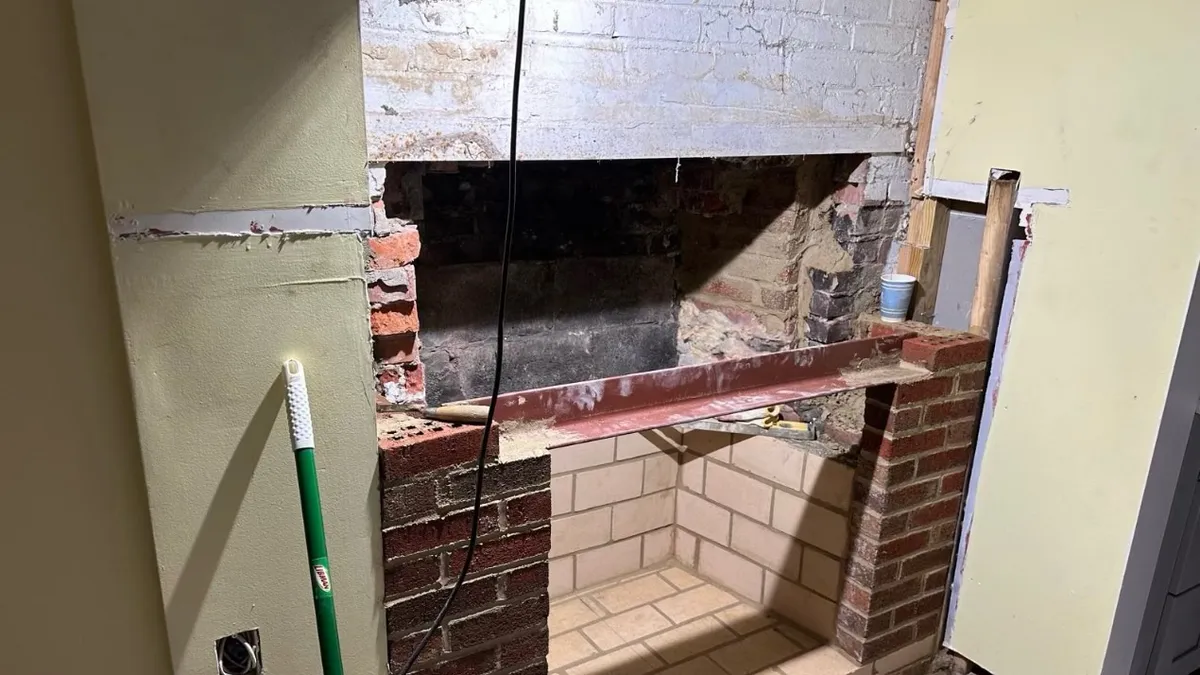
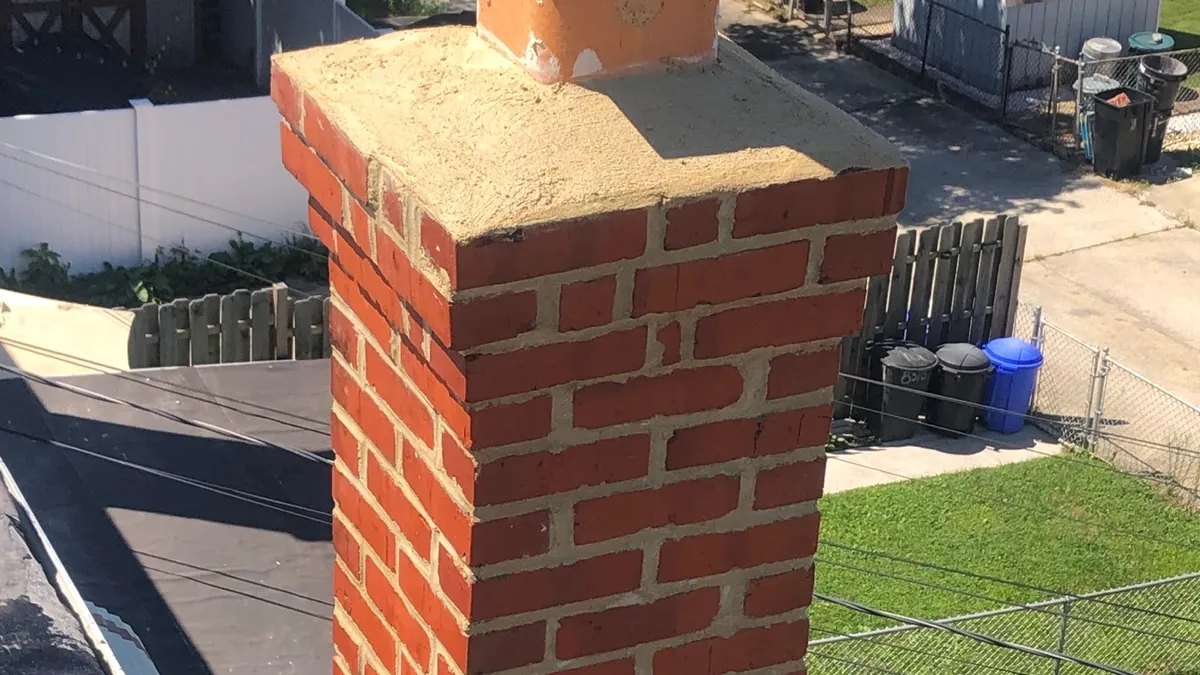
The findings repeat so often they have become a pattern. Cracked or flaking clay liner tiles and open joints between tile sections top the list, followed by chimneys that were never lined at all — common in early-1900s homes in Highland Park, Como, Summit Hill and Longfellow. Heavy creosote, including the glazed kind left by years of smoldering fires, shows up in homes where the fireplace was decoration rather than heat. Nests and debris appear in any flue that sat uncapped through a few springs. And above the roofline, the exterior check finds the Ohio regulars: crowns cracked by freeze-thaw, mortar joints washed out and recessed, flashing that has started to let water in. Post-war homes in Dublin, Westerville and the first-ring suburbs are reaching the same age now, with original liners sixty and seventy winters old. None of these findings is rare, and most are fixable — but a cracked liner or a relining job is a real number in a negotiation, and it should be a known number before closing, not a surprise in January.
Sellers: order the inspection before you list, not after the offer
For sellers, timing is the whole game. A chimney problem discovered during the buyer's inspection period lands at the worst possible moment: the deal is live, the clock is running, and in November and December every sweep in the metro is booked out and masonry repairs may no longer cure properly in the cold. The same problem found before listing is just a line item — you can have it repaired, price the home with it disclosed and documented, or hand the buyer a written quote and let the number sit calmly in the negotiation. The exact price is confirmed in writing after we see your chimney, and the fall checkup pairs a chimney sweep with a Level 1 inspection in one visit for a home that simply needs its annual visit documented. Sellers who can show a recent video scan, a sweep receipt and honest findings rarely lose a deal over a chimney. Sellers who cannot show anything invite the buyer's inspector to imagine the worst.
Buyers: do not light the first fire on a guess
For buyers, the rule is simple: a fireplace you know nothing about is a fireplace you do not use yet. Ask what the seller can document — when the chimney was last swept, whether a Level 2 scan has ever been done, and whether the flue also serves a furnace or water heater as well as the fireplace. If the paper trail is thin, make the video scan part of your inspection plan, the same way you would scope a sewer line in an older home. Budget honestly for what the scan may find: a sweep and minor cap or damper work are small numbers, while relining is a larger one — and knowing which you face before closing lets you negotiate, plan, or walk in with your eyes open. Once you have the keys, schedule the work before the deep cold: a scanned, swept flue turns the first fire in a new home back into what it should be, the best evening of the move.
The honest safety note — and how to get it scheduled
Here is the safety note, plainly: an unscanned flue is an unknown, and the unknowns are not cosmetic. Gaps in a liner can let heat and carbon monoxide reach places they should never reach, heavy creosote is fuel waiting for a hot enough fire, and a blocked flue pushes smoke and gases into the rooms your family sleeps in. That does not make every older chimney dangerous — most findings are maintenance, not emergencies — but 'the seller said it worked fine' is not an inspection, and a home changing hands is exactly when the chimney's history resets to zero. Whether you are listing a house in Gahanna, buying in Dublin, or settling an estate sale in Columbus, one visit settles the question with camera footage and a written report. Call Eagle Chimney Ohio at (614) 412-3139 or request a free estimate through our contact form, and we will scan the flue, explain what we found in plain language, and quote any work in writing — before the deal, or before your first fire.
Related Services & Service Areas
Need Help With This?
Our related service: Level 2 Chimney Inspection — The deep inspection — everything in Level 1 plus a full video scan of the flue's interior, documented for real-estate deals, insurance questions and post-incident peace of mind.