Animals in Your Chimney: What Ohio Homeowners Hear, Smell and Should Do
Scratching above the damper, chirping in spring, a smell that will not quit — animals treat an uncapped Ohio chimney as a winter den. Who moves in, and what to do next.
The short answer: to a raccoon, your chimney is a hollow tree
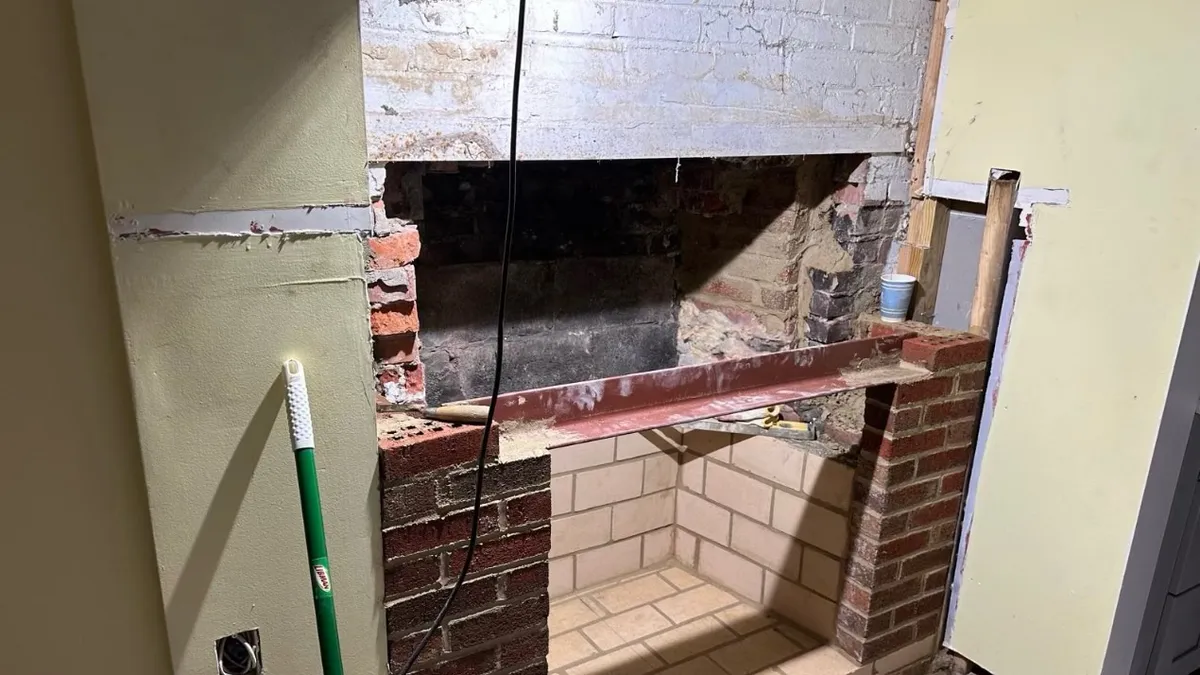
A chimney that is not capped is, from an animal's point of view, a hollow tree with better insulation. It is dark, it is dry, it is safe from predators, and on a cold Ohio night it holds a little of the house's warmth. That is why, every fall and winter across Ohio, raccoons, squirrels and birds move into flues that have no cap — usually without the homeowner knowing until the sounds start. November is peak move-in season here: as the nights turn hard, animals that spent the summer in trees and attics go looking for a den that will hold through January, and an open flue in Columbus, Dublin or any first-ring suburb is the best vacancy in the neighborhood. If you are hearing scratching, thumping or chirping from your fireplace, you are probably not imagining it — something has likely moved in, and how you handle the next step matters for the animal, your chimney and your home.
Who moves in — and the one guest you cannot evict
Raccoons are the most common tenants in Ohio chimneys, and the most capable: a mother raccoon treats a flue the way her ancestors treated a hollow oak, climbing down to the smoke shelf to raise kits in spring, and using it as a winter den in the cold months. Squirrels come next — they drop in, build a bulky nest of leaves and twigs partway down, and treat the chimney as a highway between the roof and the walls. Birds are the spring and summer story: starlings and other birds nest in open flues, and chimney swifts — small, soot-colored birds that cannot perch and cling to rough masonry instead — raise their young inside chimneys from May into the fall. Swifts are the exception that changes the plan: they are protected under federal law, so if swifts are nesting, the legal and humane answer is to wait until the young fledge and leave in the fall, then clean the flue and cap it. A good sweep will tell you honestly if that is your situation rather than touch a protected nest.
The signs something is living in your flue
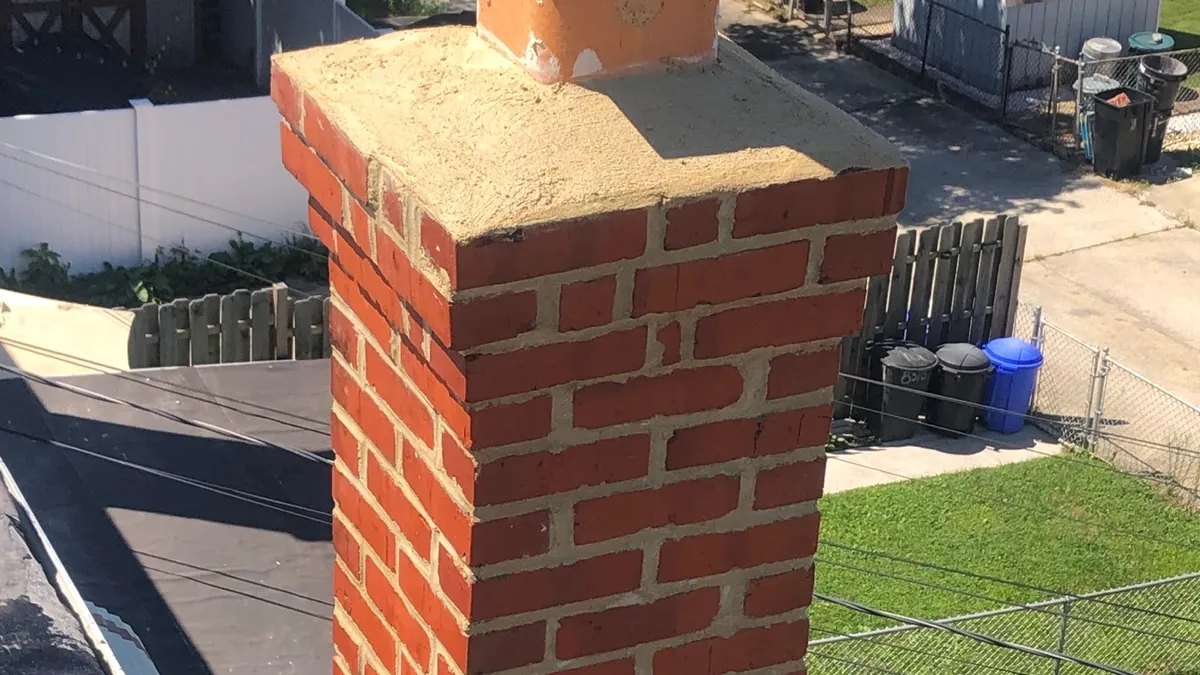
Animals in a chimney announce themselves in predictable ways. Sound is first: scratching or scrambling above the damper, thumps as a raccoon climbs, chirping on a spring morning, or rustling that is worst at dawn and dusk when animals come and go. Smell is second — a strong, sour odor around the fireplace that air freshener will not fix usually means nesting material, droppings, or, in the saddest cases, an animal that died in the flue. Debris is third: leaves, twigs and nesting material dropping onto the smoke shelf or into the firebox, or soot and rubble that keeps appearing after you clean it out. From outside, watch the top of the chimney at dusk — animals leaving to feed are easy to spot once you look — and look for a missing, rusted or displaced cap, because that open top is almost always how they got in. One more clue shows up in summer: flies gathering around the fireplace often mean something organic is in the flue.
What not to do — and the honest safety note
Two instincts make this worse. The first is lighting a fire to smoke the animal out. Do not do it: a nest of leaves and twigs in the flue is fuel, and a fire under it can ignite the nest, fill the house with smoke, or panic the animal down into the firebox and the room instead of up and out. The second is sealing the top while something is inside — an animal trapped in a flue dies there, and the odor and cleanup that follow are far worse than the removal would have been. Here is the safety note, plainly: an animal in the chimney is not only a noise problem. Nesting material blocks the flue, and a blocked flue pushes smoke and carbon monoxide into the home and raises chimney-fire risk, so do not use the fireplace until the flue is clear and checked. Droppings and nesting debris should be handled as contaminated material, not swept into the room. And if the animal is a raccoon with young, timing matters — removal is planned so kits are not orphaned inside the chimney.
How removal works — and the cap that ends it
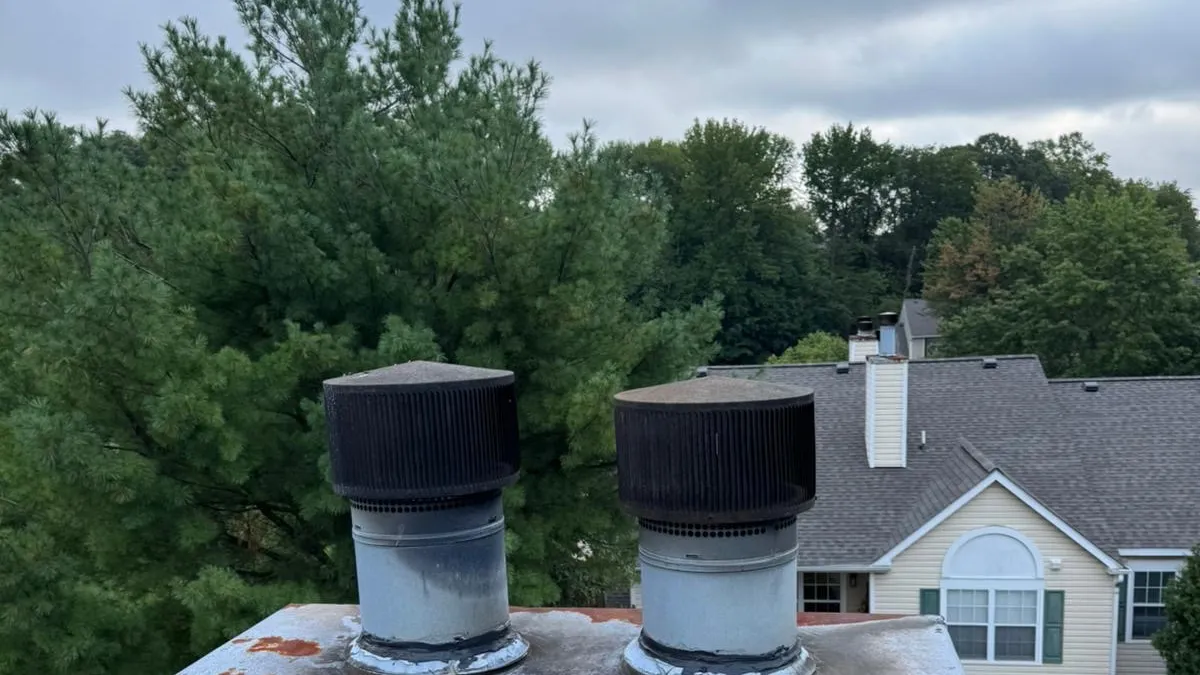
A proper animal removal starts with identifying who is actually in there, because a raccoon, a squirrel nest and a protected swift each call for a different plan. Animals are removed humanely and legally, or encouraged out the way they came in; then the nesting material comes out, the flue is cleaned, and the chimney is checked for the damage animals leave behind — a displaced damper, debris on the smoke shelf, a liner fouled by nesting. The exact price is confirmed in writing after we see your chimney — the animal, the roof access and the flue's condition all move the final number. The cap is the part that makes the job permanent: sized to your flue, secured against Ohio wind, with mesh that keeps animals out while smoke drafts freely. An uncapped chimney that has hosted wildlife once will host it again. Heard something in the flue, or know your cap is missing? Call Eagle Chimney Ohio at (614) 412-3139 or request a free estimate through our contact form, and we will find out who moved in, get them out humanely, and close the door behind them.
Related Services & Service Areas
Need Help With This?
Our related service: Chimney Animal Removal — Chimneys make excellent dens — warm, dark and safe from predators, which is the problem. We remove nesting animals and birds humanely, clean out the flue, and cap it so it doesn't happen again.