
Gas Fireplace Service & Repair in Seven Mile — What to Expect
Gas fireplaces are sold as the maintenance-free option, and in a Ohio winter they earn their keep — instant heat at a wall switch, no wood to haul, no ash to empty. But 'low maintenance' isn't 'no maintenance': dust and pet hair clog burner ports, spiders nest in pilot assemblies, thermocouples wear out, and glass gaskets dry and crack. A gas appliance that isn't serviced drifts from convenient to unreliable — and because it burns fuel inside your home, its safety checks matter as much as its flame.
The Seven Mile calls for gas fireplace service & repair we handle most involve older masonry chimneys that have never been relined, in homes built before modern liner standards. Seven Mile sits about 27 miles north of Cincinnati — In Butler County, its communities mix small-town brick homes, farmhouses and growing subdivisions, and its chimneys take the full Ohio cycle of hard burning, freeze-thaw and spring storms — so our Seven Mile route days are planned around exactly the chimney problems this housing stock produces.
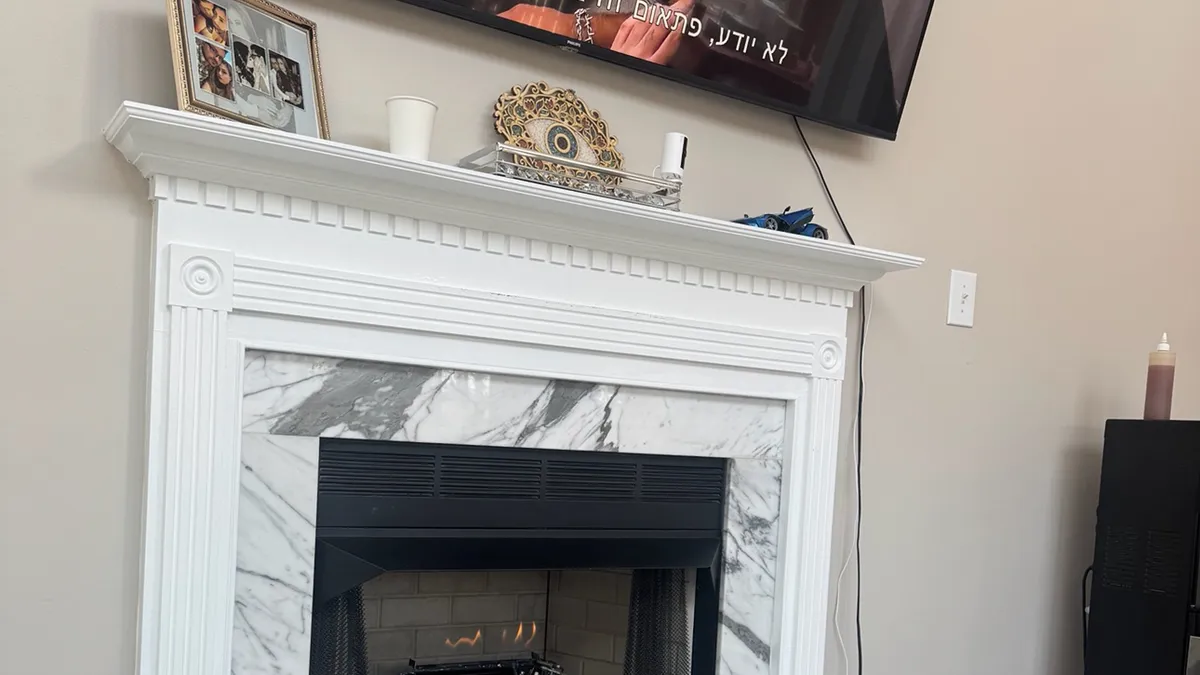
Gas Fireplace Inspection & Cleaning
An annual service visit restores the flame picture the manufacturer intended and catches the small failures while they're still small:
- Burner ports cleaned of dust, lint and corrosion
- Pilot assembly cleaned — including the air intake spiders love to nest in
- Glass cleaned inside and out; gasket inspected and reseated
- Gas logs inspected for cracking and soot tracking
- Ember bed and lava rock checked and repositioned
- Blower fan cleaned and checked for noise and vibration
- Venting and termination checked for blockages and damage
- Wall switch, remote and thermostat controls tested
Ignition & Pilot Troubleshooting
Most gas fireplace service calls are ignition calls. A pilot that won't stay lit is usually a thermocouple that has worn out or a thermopile that no longer generates enough millivolt power to hold the valve open — both are standard, replaceable parts. Electronic ignition systems fail differently: weak batteries in the receiver, a dirty flame sensor, or an igniter that clicks without lighting. Delayed ignition — the 'whoomph' a few seconds after the burner should have lit — means unburned gas is pooling before it catches, and that's a stop-and-call symptom, not a quirk. We test the components in order, replace what's actually failed, and verify a clean, immediate light before we leave.