Chimney Inspection in Reading — What to Expect
You can't maintain what you can't see. A chimney can look perfectly fine from the ground while its flue liner is cracked, its crown is letting in water, or creosote is building up out of sight. A professional inspection shows you the real condition of your chimney — inside and out.
The Reading calls for chimney inspection we handle most involve creosote buildup from long heating seasons and daily wood burning through the coldest months. Reading sits about 9 miles northeast of Cincinnati — In Hamilton County, its housing stock leans established — brick colonials, ranches and split-levels whose original chimneys are deep into their service lives — plus newer builds with factory-built fireplaces at the edges — so our Reading route days are planned around exactly the chimney problems this housing stock produces.
What We Inspect
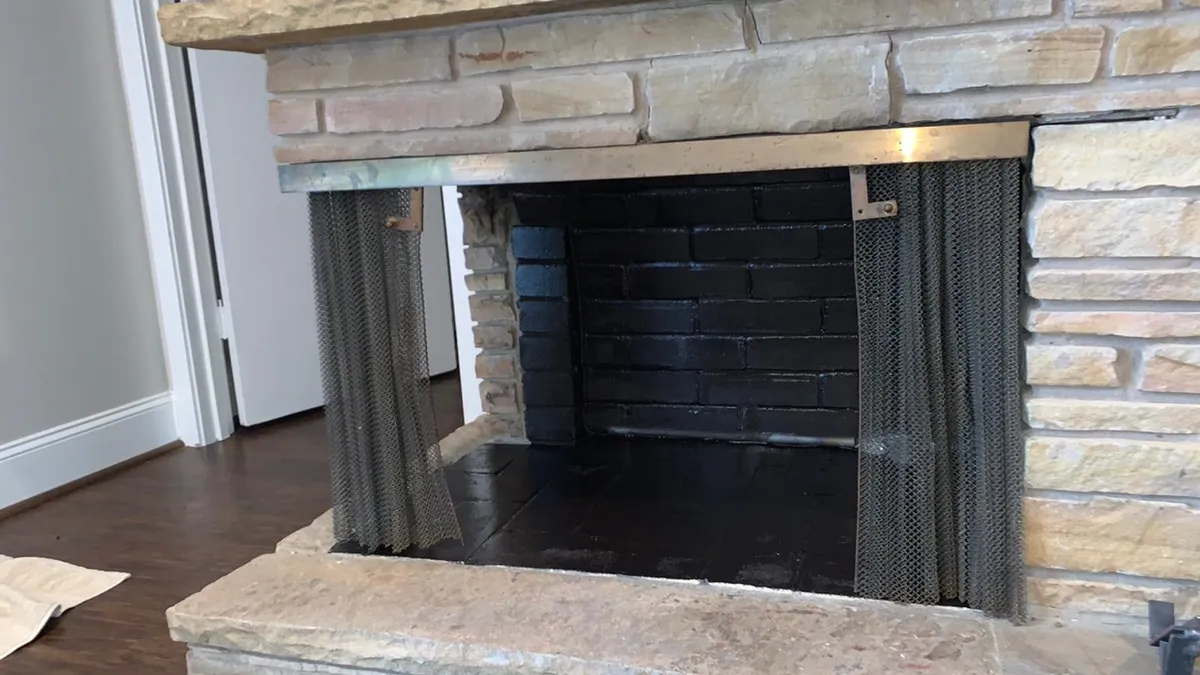
A full inspection covers every part of the system that affects safety and performance:
- Flue interior and chimney liner condition
- Creosote and soot buildup levels
- Chimney crown, cap and chase cover
- Flashing where the chimney meets the roof
- Brick, stone and mortar joints
- Damper operation
- Smoke shelf and firebox
- Signs of water leaks or animal blockages
Inspection Levels, Explained
A Level 1 inspection is the standard annual check for a chimney that hasn't changed — we examine the readily accessible parts of the chimney and flue and confirm the system is sound. A Level 2 inspection goes deeper, with a video scan of the flue's interior, and is the right choice when you're buying or selling a home, after a chimney fire, or before a liner or appliance change. We'll tell you honestly which level your situation calls for.