
Chimney Inspection in De Graff — What to Expect
You can't maintain what you can't see. A chimney can look perfectly fine from the ground while its flue liner is cracked, its crown is letting in water, or creosote is building up out of sight. A professional inspection shows you the real condition of your chimney — inside and out.
The De Graff calls for chimney inspection we handle most involve creosote buildup from long heating seasons and daily wood burning through the coldest months. De Graff sits about 41 miles northeast of Dayton — In Logan County, its housing stock leans established — brick colonials, ranches and split-levels whose original chimneys are deep into their service lives — plus newer builds with factory-built fireplaces at the edges — so our De Graff route days are planned around exactly the chimney problems this housing stock produces.
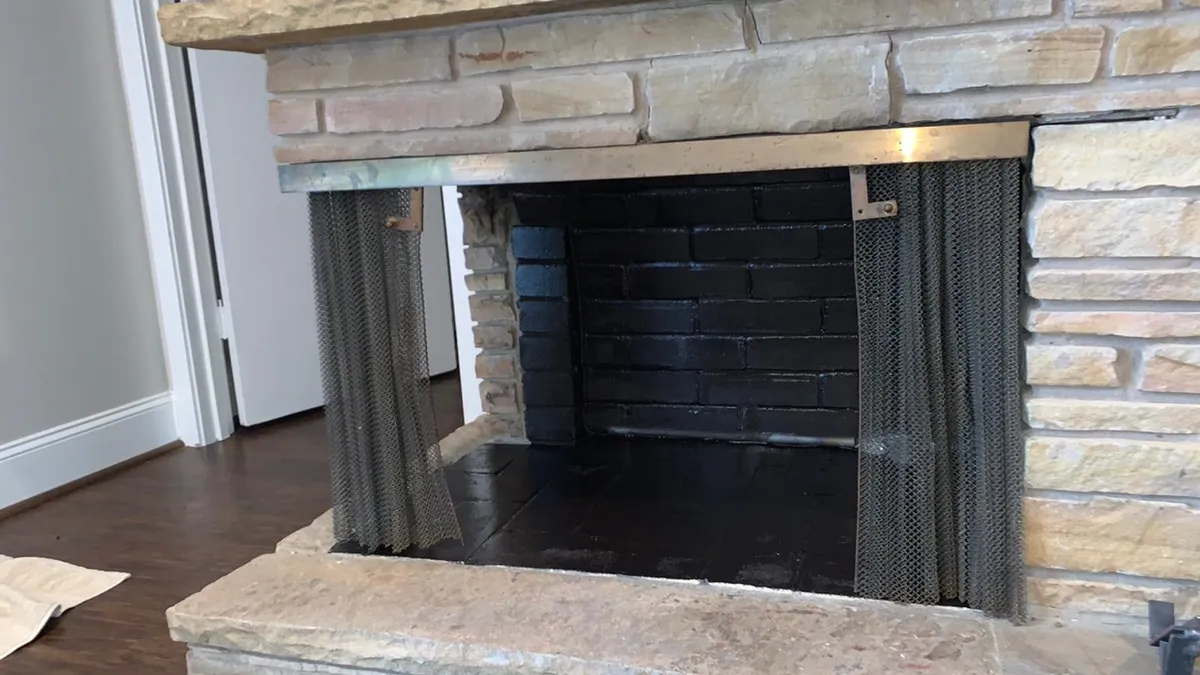
What We Inspect
A full inspection covers every part of the system that affects safety and performance:
- Flue interior and chimney liner condition
- Creosote and soot buildup levels
- Chimney crown, cap and chase cover
- Flashing where the chimney meets the roof
- Brick, stone and mortar joints
- Damper operation
- Smoke shelf and firebox
- Signs of water leaks or animal blockages
Inspection Levels, Explained
A Level 1 inspection is the standard annual check for a chimney that hasn't changed — we examine the readily accessible parts of the chimney and flue and confirm the system is sound. A Level 2 inspection goes deeper, with a video scan of the flue's interior, and is the right choice when you're buying or selling a home, after a chimney fire, or before a liner or appliance change. We'll tell you honestly which level your situation calls for.