
Chimney Caps in Ostrander — What to Expect
An open flue is an open door — straight down into your home. Every Ohio rain and snowstorm pours water into an uncapped chimney, and every spring, birds, squirrels and raccoons shop uncapped flues for nesting sites. A properly fitted chimney cap closes that door while leaving smoke a clear way out.
The Ostrander calls for chimney caps we handle most involve birds, squirrels and raccoons nesting in uncapped flues over the summer — and the blockages they leave behind. Ostrander sits about 24 miles northwest of Columbus — In Delaware County, its communities mix small-town brick homes, farmhouses and growing subdivisions, and its chimneys take the full Ohio cycle of hard burning, freeze-thaw and spring storms — so our Ostrander route days are planned around exactly the chimney problems this housing stock produces.
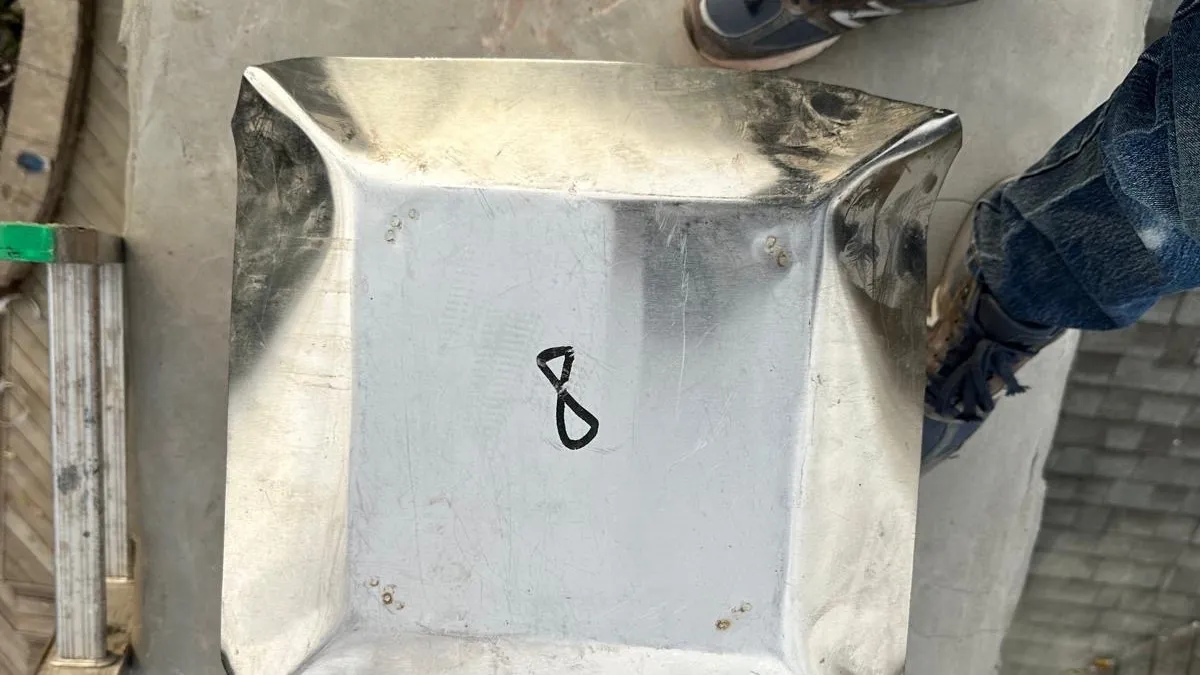
What a Cap Protects Against
- Rain and snow entering the flue and soaking the liner and firebox
- Water damage to dampers, smoke shelves and interior masonry
- Birds, squirrels, raccoons and bats nesting in the chimney
- Leaves and debris building up into a blockage
- Downdrafts that push smoke and odor back into the room
- Sparks escaping onto the roof (the cap's mesh works as a spark arrestor)
Signs Your Cap Needs Attention
- No cap at all — the flue opening is bare
- A cap that's rusted, cracked, tilted or loose
- Rust stains streaking down the chimney below the top
- Scratching or chirping sounds from inside the flue
- Debris or nesting material visible in the firebox
- A cap that blew off in a storm and was never replaced