
Chimney Caps in Hamburg — What to Expect
An open flue is an open door — straight down into your home. Every Ohio rain and snowstorm pours water into an uncapped chimney, and every spring, birds, squirrels and raccoons shop uncapped flues for nesting sites. A properly fitted chimney cap closes that door while leaving smoke a clear way out.
The Hamburg calls for chimney caps we handle most involve ice and snow working on chimney crowns and chase covers, and the rust and water damage that show up at spring melt. Hamburg sits about 28 miles southeast of Columbus — In Fairfield County, its homes include older in-town brick houses, suburban colonials and ranches, and rural properties heating with wood stoves — a cross-section of every chimney type we service — so our Hamburg route days are planned around exactly the chimney problems this housing stock produces.
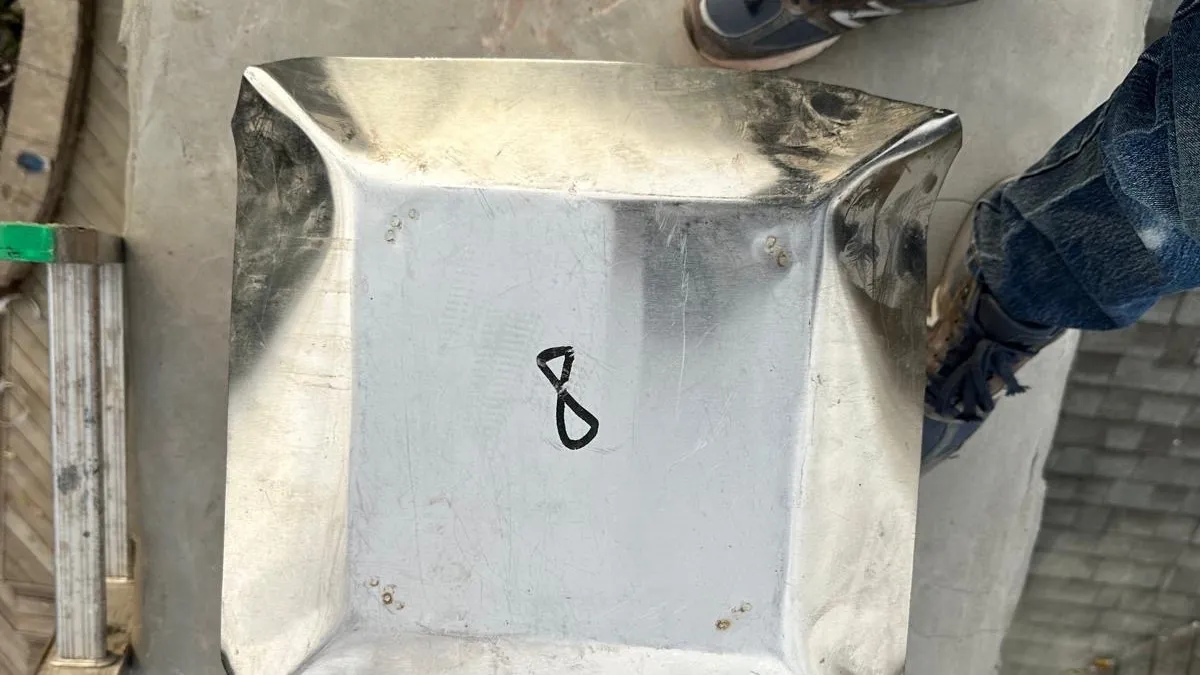
What a Cap Protects Against
- Rain and snow entering the flue and soaking the liner and firebox
- Water damage to dampers, smoke shelves and interior masonry
- Birds, squirrels, raccoons and bats nesting in the chimney
- Leaves and debris building up into a blockage
- Downdrafts that push smoke and odor back into the room
- Sparks escaping onto the roof (the cap's mesh works as a spark arrestor)
Signs Your Cap Needs Attention
- No cap at all — the flue opening is bare
- A cap that's rusted, cracked, tilted or loose
- Rust stains streaking down the chimney below the top
- Scratching or chirping sounds from inside the flue
- Debris or nesting material visible in the firebox
- A cap that blew off in a storm and was never replaced